
Cat Health & Disease Guide Hub: Symptoms, Treatments & Care Tips
Explore the complete Cat Health & Disease Guide Hub covering symptoms, common diseases, warning signs, and expert care tips to keep your cat healthy and safe.
CAT HEALTH GUIDE HUB
4/19/202610 min read
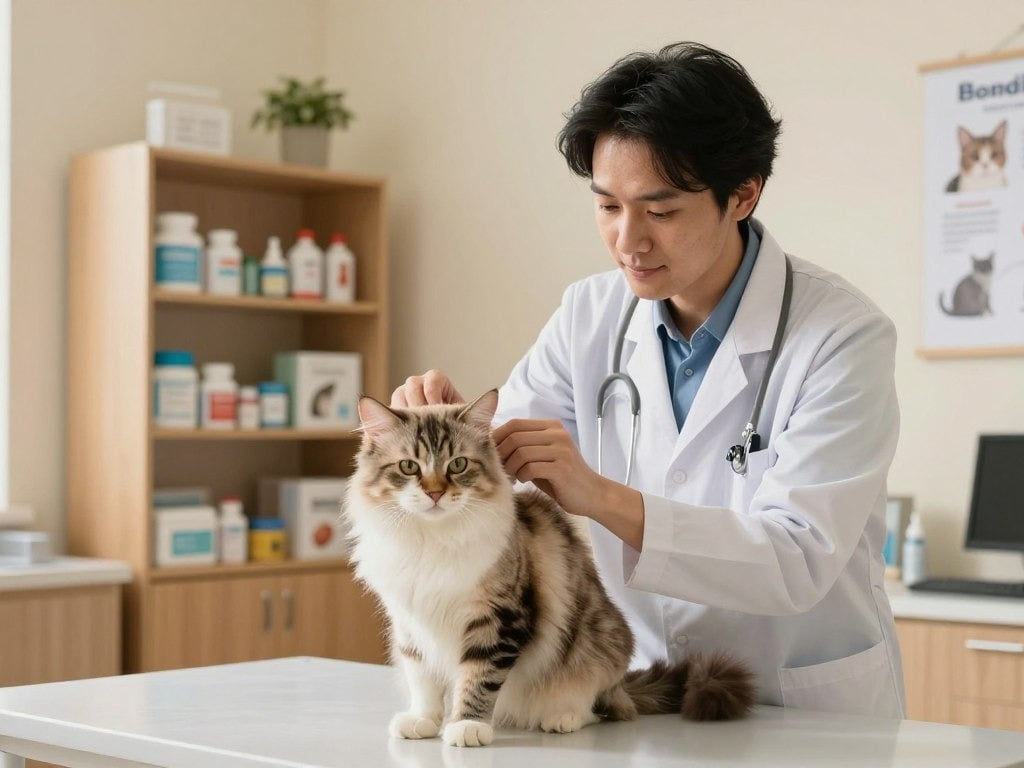

Cat Health & Disease Guide Hub
Welcome to our comprehensive resource designed for dedicated owners who want to master the nuances of feline wellness. Understanding your pet requires a deep look into their biology to recognize when they deviate from their normal, happy baseline.
By prioritizing proactive observation, you can significantly improve the long-term quality of life for your furry companion. This guide serves as your primary reference, where Health Problems & Symptoms Explained helps you navigate the complex landscape of feline care.
We aim to empower you with the knowledge needed to identify early warning signs before they escalate. This foundation sets the stage for our deeper exploration into specific medical conditions and effective preventative strategies.
Key Takeaways
Consistent observation helps identify early signs of illness.
Understanding feline biology is essential for detecting behavioral changes.
Proactive care significantly boosts your cat's long-term wellness.
Early detection often leads to better medical outcomes.
This guide provides a roadmap for managing your cat's unique needs.
Recognizing Early Signs of Illness in Cats
Because cats naturally mask discomfort, identifying health issues requires a keen eye for detail. Owners often overlook minor shifts in personality, yet these small changes are frequently the first indicators of an underlying problem. Utilizing a reliable cat health symptoms and treatment guide can help you distinguish between normal aging and genuine medical concerns.
"The greatest challenge in feline medicine is that cats are masters of disguise, hiding their pain until it becomes impossible to ignore."
Subtle Behavioral Changes to Monitor
Monitoring your cat’s daily routine is the most effective way to catch health issues early. You should pay close attention to sudden shifts in their social interaction or activity levels. If your usually affectionate pet suddenly hides or becomes aggressive, it may be a sign of internal distress.
Grooming habits are another critical area to watch. A cat that stops grooming itself may be suffering from arthritis or systemic illness. Conversely, excessive grooming in specific areas can indicate skin irritation or localized pain.
Physical Indicators of Feline Distress
Beyond behavior, physical changes often provide clear evidence that something is wrong. Keep a close watch on your cat's coat condition, as a dull or matted appearance often signals poor health. Posture is equally important; a hunched back or a tucked tail can indicate that your pet is experiencing significant discomfort.
There are several physical markers that warrant a trip to the veterinarian:
Changes in weight or appetite.
Unusual discharge from the eyes or nose.
Difficulty jumping or moving with typical agility.
Changes in litter box habits or frequency.
Understanding these early signs of illness in cats allows for timely intervention. By staying vigilant, you ensure that your companion receives the care they need before a condition worsens. Always trust your instincts if you feel that something is simply "off" with your pet.
👉 “If your cat is avoiding the litter box, read Cat Not Using Litter Box Suddenly? Causes and Fixes.”
Common Feline Health Problems & Symptoms Explained
Protecting your cat requires a keen eye for the common diseases in cats and warning signs that indicate trouble. While our feline companions are masters at hiding discomfort, they often display subtle clues when their health is compromised. Recognizing these shifts early is the best way to ensure a long and happy life for your pet.
👉 “Learn how stress affects cats in Signs Your Cat Is Stressed at Home.”
Respiratory Issues and Nasal Discharge
Respiratory infections are frequent culprits in feline health, often caused by viruses like feline herpesvirus or calicivirus. You might notice your cat sneezing, coughing, or experiencing watery eyes. Persistent nasal discharge that changes from clear to yellow or green often signals a secondary bacterial infection that requires medical attention.
👉 “Learn about common respiratory infections in our Cat Upper Respiratory Infection guide.”
Gastrointestinal Disturbances and Vomiting
Occasional hairballs are normal, but frequent vomiting or diarrhea can indicate more serious digestive issues. These symptoms may point to dietary indiscretion, parasites, or even systemic illnesses like inflammatory bowel disease. Monitoring the frequency and consistency of your cat's waste is a vital part of responsible pet ownership.
"The digestive tract is often the first place to show signs of systemic stress in cats, making it a critical area for owners to monitor daily."
Urinary Tract Challenges in Indoor Cats
Indoor cats are particularly susceptible to lower urinary tract diseases, which can be triggered by stress, low water intake, or environmental changes. These conditions often manifest as difficulty urinating or frequent trips to the litter box. It is important to keep a close watch on these behaviors to prevent chronic issues.
👉 “If your cat is having trouble urinating, read our guide on Cat Straining to Urinate: Causes and Emergency Warning Signs.”
Identifying Signs of Blockage
A urinary blockage is a life-threatening emergency that occurs when the urethra becomes obstructed. If you notice your cat straining to urinate with little to no output, you must act immediately. Watch for these specific indicators:
Frequent, unproductive trips to the litter box.
Vocalizing or crying out in pain while attempting to urinate.
Licking the genital area excessively.
Lethargy or sudden loss of appetite.
👉 “For a complete overview, check our detailed guide on Urinary Tract Infection (UTI) in Cats.”
When to Seek Emergency Veterinary Care
Knowing the difference between a routine check-up and an emergency can save your cat's life. You should seek immediate veterinary care if your cat exhibits signs of distress, such as difficulty breathing, collapse, or an inability to pass urine. Understanding these common diseases in cats and warning signs empowers you to provide the best possible care during critical moments.
When Your Cat Is Sick and Not Eating
Understanding why is my cat sick and not eating is the first step toward restoring their health. While occasional pickiness happens, a complete refusal of food is a significant red flag that warrants a close look at your pet's overall well-being.
👉 “If your cat is not eating but still drinking water, read our complete guide for possible causes.”
The Dangers of Anorexia in Felines
In the veterinary world, a total loss of appetite is known as anorexia. This condition is extremely dangerous for cats because their bodies are not designed to go without food for long periods.
When a cat stops eating, the body begins to mobilize fat stores to the liver for energy. If this process happens too quickly, it can lead to hepatic lipidosis, or fatty liver disease. This is a life-threatening condition that requires urgent medical intervention.
Investigating Potential Underlying Causes
Determining why is my cat sick and not eating often requires a professional diagnostic approach. Several factors can trigger this behavior, ranging from minor discomfort to serious systemic issues.
Dental pain: Inflamed gums or broken teeth can make chewing painful.
Systemic illness: Kidney disease, infections, or metabolic disorders often suppress the appetite.
Environmental stress: Changes in the household, such as new pets or moving, can cause a cat to stop eating.
Nausea: Gastrointestinal upset or reactions to medication can make food unappealing.
Strategies to Encourage Appetite
While you wait for a veterinary appointment, you can try gentle methods to entice your cat to eat. These strategies are meant to support your pet, but they do not replace the need for a professional diagnosis.
You might consider the following tips to help stimulate their interest in food:
Warm up wet food slightly to enhance the aroma.
Offer a small amount of plain, boiled chicken or tuna in water.
Ensure their feeding area is quiet, calm, and free from distractions.
Use a shallow dish to prevent whisker fatigue during meals.
Always monitor your cat closely for other symptoms like lethargy or vomiting. If your cat refuses food for more than 24 hours, contact your veterinarian immediately to prevent severe health complications.
Managing Cat Infections and Home Care Essentials
When your feline companion faces an infection, your role as a caregiver becomes vital for their recovery. Proper cat infection symptoms and home care strategies help support the immune system while ensuring your pet remains comfortable. By following veterinary guidance, you can effectively manage the healing process from the comfort of your own home.
Common Bacterial and Viral Infections
Cats are frequently susceptible to upper respiratory infections, often caused by viruses like Feline Herpesvirus or Calicivirus. These conditions typically manifest through sneezing, nasal discharge, and watery eyes. Bacterial infections may also occur, sometimes as secondary complications that require specific antibiotic treatment prescribed by a professional.
Monitoring your pet for lethargy or a sudden loss of appetite is essential. If you notice persistent coughing or difficulty breathing, seek veterinary attention immediately. Early detection of these symptoms is the cornerstone of effective cat infection symptoms and home care.
Creating a Safe Recovery Environment
A stress-free recovery space is crucial for a sick cat. Set up a quiet, warm area away from household noise and other pets to allow for undisturbed rest. Providing easy access to fresh water and a clean litter box will help minimize physical strain during their recovery.
Maintaining high hygiene standards in this space prevents the spread of germs. Regularly sanitize bedding and food bowls to support a healthy environment. Consistency in your home care routine significantly reduces the risk of secondary complications.
Administering Medication Safely at Home
Following the full course of prescribed medication is non-negotiable for a successful recovery. Whether you are dealing with oral pills or topical treatments, staying calm is the best way to ensure your cat remains cooperative. If you struggle with pilling, consider these helpful techniques:
Use a pill pocket or a small amount of wet food to mask the medication.
Ask your veterinarian about liquid formulations if tablets are too difficult to administer.
Always reward your cat with praise or a small treat after the process to create a positive association.
Never stop a course of antibiotics early, even if your cat appears to be feeling better. Completing the entire treatment plan is a fundamental aspect of cat infection symptoms and home care. If you encounter significant resistance or side effects, contact your clinic for alternative administration methods.
Critical Cat Health Problems Every Owner Should Know
Certain chronic conditions are highly prevalent in aging cat populations and require long-term, dedicated management strategies from the owner. Recognizing these cat health problems every owner should know is the first step toward ensuring your pet enjoys a high quality of life despite a diagnosis. By staying informed, you can effectively partner with your veterinarian to manage these complex metabolic issues.
Chronic Kidney Disease Management
Chronic Kidney Disease (CKD) is a common condition where the kidneys gradually lose their ability to filter waste from the blood. While this process is often irreversible, early detection and consistent management can significantly slow its progression. Owners play a vital role by providing specialized renal diets that reduce the workload on the kidneys.
Hydration is another cornerstone of effective care for cats with kidney issues. Encouraging your cat to drink more water through fountains or wet food can help maintain kidney function. Regular blood work and urinalysis are essential to monitor kidney values and adjust treatment plans as needed.
Diabetes Mellitus and Insulin Therapy
Diabetes Mellitus occurs when a cat cannot produce enough insulin or respond to it properly, leading to high blood sugar levels. This condition requires a disciplined routine involving daily insulin injections and strictly timed meals. Consistency is the most important factor in keeping your cat’s blood glucose levels stable.
Owners must learn to monitor their cat for signs of hypoglycemia, such as lethargy or weakness, which can occur if blood sugar drops too low. Working closely with your vet to perform regular glucose curves will help determine the correct dosage of insulin. With proper management, many diabetic cats live happy and active lives.
Hyperthyroidism and Metabolic Health
Hyperthyroidism is caused by an overactive thyroid gland that produces excessive hormones, speeding up the cat's metabolism. You might notice your cat eating more than usual while simultaneously losing weight. This metabolic imbalance puts significant strain on the heart and other vital organs if left untreated.
Treatment options typically include daily medication, radioactive iodine therapy, or specific dietary changes. Regular check-ups are necessary to ensure that hormone levels remain within a healthy range. Understanding these cat health problems every owner should know empowers you to provide the best possible care for your aging companion, ultimately extending their comfort and lifespan.
Conclusion
Protecting your pet requires a lifelong commitment to observation and education. Building a strong partnership with your local veterinarian ensures your cat receives the best possible care throughout every life stage.
This complete guide to cat diseases and symptoms serves as a vital resource for your home library. Keep this information handy to help you navigate the complexities of feline health management with confidence.
Early detection remains your most powerful tool for maintaining a vibrant, happy life for your companion. By staying proactive, you catch minor issues before they escalate into serious medical emergencies.
We encourage you to share your experiences or ask questions about specific health concerns in the space below. Engaging with other pet owners helps build a supportive community dedicated to feline well-being.
Refer back to this complete guide to cat diseases and symptoms whenever you notice subtle shifts in your pet's daily habits. Your vigilance makes a significant difference in the quality of life your cat enjoys every single day.
FAQ
How can I use a cat health symptoms and treatment guide to improve my pet's life?
A comprehensive cat health symptoms and treatment guide serves as a primary resource for identifying when your pet deviates from their normal, healthy baseline. By understanding feline biology and prioritizing proactive observation, owners can detect issues early, which significantly improves the long-term quality of life and medical outcomes for their feline companions.
What are the most common diseases in cats and warning signs that I should monitor?
Some of the most common diseases in cats and warning signs include respiratory infections (marked by nasal discharge), gastrointestinal disturbances (frequent vomiting), and urinary tract challenges. Specifically, indoor cats are prone to urinary blockages, which are life-threatening emergencies. If your cat is straining or unable to urinate, you must seek immediate care from an emergency provider such as VCA Animal Hospitals.
Why is my cat sick and not eating, and is it a cause for concern?
If you are wondering, "why is my cat sick and not eating," it is important to know that feline anorexia is a serious medical symptom. Rapid weight loss can lead to hepatic lipidosis, a potentially fatal liver condition. Underlying causes often include dental pain, systemic illness, or environmental stress. To encourage an appetite, veterinarians often recommend strategies like offering Royal Canin Appetite Stimulation formulas or warming wet food to enhance its aroma.
What are the typical early signs of illness in cats that owners often miss?
The early signs of illness in cats are often subtle because felines are masters at masking discomfort. Look for subtle behavioral changes, such as a sudden shift in grooming habits, decreased social interaction, or altered activity levels. Physical indicators like a dull coat condition or changes in posture often precede more severe clinical symptoms and warrant a veterinary consultation.
What does cat infection symptoms and home care involve during recovery?
Understanding cat infection symptoms and home care is vital for a successful recovery. Managing bacterial and viral infections requires a stress-free environment and strict adherence to medication schedules. Whether you are administering antibiotics from Zoetis or topical treatments, ensuring your cat completes the full course is essential. Providing a quiet, dedicated recovery space helps support the immune system and prevents secondary complications.
What are the major cat health problems every owner should know regarding aging pets?
The most critical cat health problems every owner should know as their pets age include Chronic Kidney Disease (CKD), Diabetes Mellitus, and Hyperthyroidism. These metabolic conditions require long-term management, such as insulin therapy, specialized diets like Hill's Prescription Diet, and regular blood work monitoring to maintain metabolic stability and extend the cat’s lifespan.
Where can I find a complete guide to cat diseases and symptoms for long-term reference?
A complete guide to cat diseases and symptoms acts as a lifelong reference for navigating the complexities of feline wellness. By staying informed about both common and chronic conditions, you are better equipped to partner with your veterinary team. Remember, early detection through consistent monitoring remains the most powerful tool for ensuring your cat lives a happy, healthy life.