
Urinary Tract Infection (UTI) in Cats: Warning Signs and Treatment Guide.
Learn the warning signs of urinary tract infection (UTI) in cats, causes, treatment options, and how to prevent this painful condition.
URINARY TRACT INFECTION IN CATS
4/17/20262 min read
Urinary Tract Infection (UTI) in Cats: Warning Signs and Treatment
A Urinary Tract Infection (UTI) is a painful and common health issue affecting a domestic cat. It occurs when bacteria enter the urinary system, leading to inflammation, discomfort, and difficulty urinating.
UTIs can affect cats of any age, but they are more common in older cats, overweight cats, and those with low water intake. Early detection is very important because urinary problems can quickly become serious if left untreated.
What Causes UTI in Cats?
1. Bacterial Infection
Most UTIs occur when bacteria enter the urinary tract through the urethra and multiply.
2. Low Water Intake
Cats that drink less water produce concentrated urine, which increases infection risk.
3. Dirty Litter Boxes
Poor hygiene can expose cats to bacteria.
4. Stress
Stress can affect urinary health and increase inflammation.
5. Underlying Diseases
Conditions like kidney issues or diabetes may increase susceptibility.
Warning Signs of UTI in Cats
1. Frequent Urination
Your cat may try to urinate more often than usual.
2. Straining to Urinate
You may notice your cat spending a long time in the litter box with little or no urine produced.
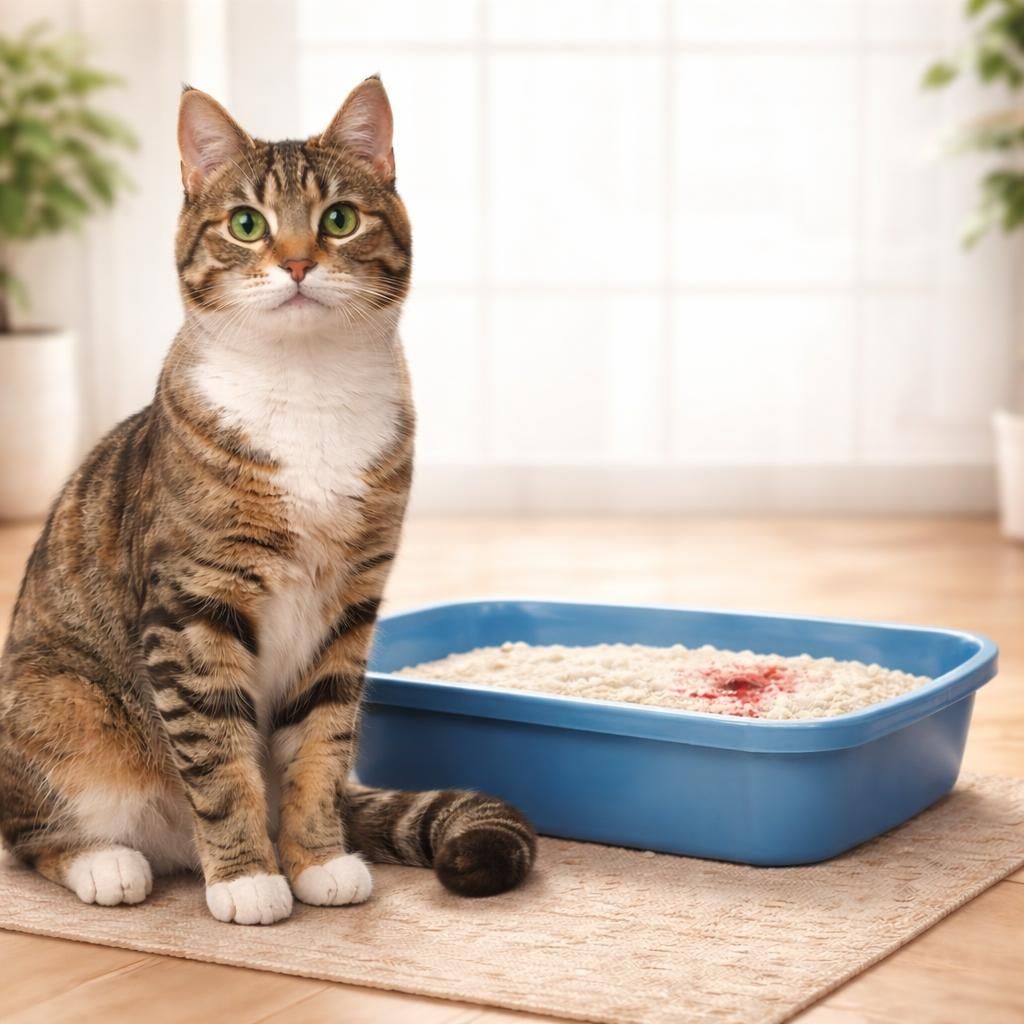
3. Blood in Urine
Urine may appear pink, red, or cloudy.
4. Crying or Vocalizing
Pain during urination can cause distress sounds.
5. Urinating Outside the Litter Box
Cats may associate the litter box with pain and avoid it.
6. Strong Smell of Urine
Infection can cause unusually strong or foul odor.
7. Licking the Genital Area
Excessive licking may indicate irritation or discomfort.
Behavioral Changes to Watch
A sick cat may also show:
restlessness
hiding more than usual
reduced appetite
irritability
These changes often appear before severe urinary symptoms.
Is UTI Dangerous in Cats?
Yes, especially if untreated. In severe cases, urinary issues can lead to blockage (especially in male cats), which is a medical emergency.
A blockage can prevent urination completely and quickly become life-threatening.
UTI vs. Feline Lower Urinary Tract Disease (FLUTD)
Not all urinary problems are simple infections. Many cats suffer from FLUTD, which includes:
inflammation
crystals in urine
stress-related urinary issues
A proper diagnosis is necessary to identify the exact cause.
Home Care Tips (Supportive Only)
While veterinary care is essential, you can support recovery by:
1. Increasing Water Intake
Encourage drinking with fresh water or a water fountain.
2. Feeding Wet Food
Wet food increases hydration naturally.
3. Keeping Litter Box Clean
Clean litter reduces bacterial exposure.
4. Reducing Stress
Provide a calm environment with minimal disturbance.
When to Seek Immediate Veterinary Help
Contact a vet urgently if your cat shows:
inability to urinate
blood in urine
severe pain
crying in litter box
complete loss of appetite
Urinary blockage is an emergency.
Treatment Options
Veterinary treatment may include:
antibiotics (if bacterial infection is confirmed)
pain relief medication
anti-inflammatory drugs
fluid therapy in severe cases
Never give human medication to cats.
Prevention Tips
1. Encourage Hydration
Water fountains and wet food help maintain urinary health.
2. Maintain Clean Litter Boxes
Clean at least once daily.
3. Reduce Stress
Stable routines and quiet spaces help prevent flare-ups.
4. Healthy Diet
Balanced nutrition supports urinary tract function.
Helpful Products for Your pet
cat water fountain
urinary health cat food
clean litter boxes
calming cat beds
hydration supplements (vet-approved)
Final Thoughts
A Urinary Tract Infection in Cats is painful but treatable when caught early. Observing your cat’s litter box habits and behavior is key to early detection. If symptoms appear, immediate action can prevent serious complications and ensure a faster recovery for your domestic cat.
Frequently Asked Questions (FAQ) 🐾
What causes UTI in cats?
Mostly bacteria, low water intake, stress, or underlying health issues.
Can UTI go away on its own?
No, most cases require veterinary treatment.
Is UTI painful for cats?
Yes, it can cause significant discomfort during urination.
How can I tell if my cat has UTI?
Look for frequent urination, blood in urine, and litter box problems.
Can male cats get more serious UTI problems?
Yes, male cats are at higher risk of urinary blockage.