
Cat Straining to Urinate: Causes and Emergency Warning Signs Every Owner Must Know
Is your cat straining to urinate? Learn the causes, emergency warning signs, and when to seek urgent veterinary care to protect your cat’s life.
CAT STRAINING TO URINATE
4/17/20263 min read
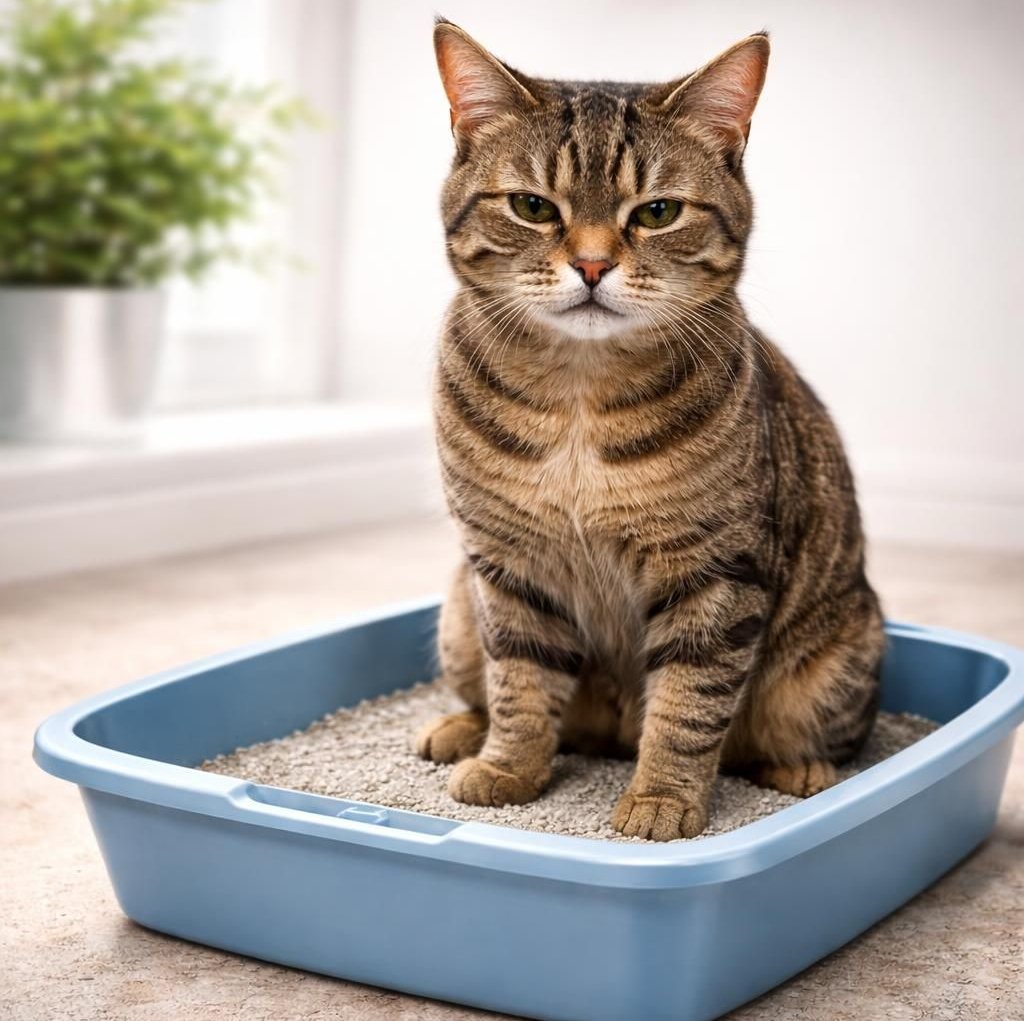
Cat Straining to Urinate: Causes and Emergency Warning Signs
If your domestic cat is repeatedly trying to urinate but producing little or no urine, this is a serious warning sign that should never be ignored. Cat straining to urinate is often linked to painful urinary conditions that can quickly become life-threatening, especially in male cats.
This symptom is not just discomfort—it can signal a urinary blockage or severe inflammation that requires immediate attention.
Why Is My Cat Straining to Urinate?
Straining usually means your cat feels the urge to urinate but is unable to do so properly. This can happen due to several underlying problems affecting the urinary tract.
1. Urinary Tract Infection (UTI)
A Urinary Tract Infection is one of the possible causes.
👉 It can lead to:
inflammation in the bladder
pain during urination
frequent attempts to urinate
However, true bacterial UTIs are less common in cats compared to other urinary issues.
2. Feline Lower Urinary Tract Disease (FLUTD)
One of the most common causes is Feline Lower Urinary Tract Disease.
👉 FLUTD may include:
bladder inflammation
stress-related urinary issues
crystal formation
This condition often causes straining without infection.
3. Urinary Blockage (EMERGENCY)
This is the most dangerous cause.
A blockage prevents urine from leaving the body, leading to rapid toxin buildup.
👉 Warning signs:
repeated trips to litter box
no urine produced
crying or pain
swollen abdomen
⚠️ This is a medical emergency, especially in male cats.
4. Bladder Stones or Crystals
Minerals in urine may form crystals or stones that irritate or block the urinary tract.
👉 Symptoms include:
blood in urine
frequent straining
discomfort
5. Stress and Anxiety
Stress can directly affect urinary function in cats.
Common stress triggers:
changes in environment
new pets
loud noises
dirty litter boxes
Emergency Warning Signs You Must Never Ignore
Seek immediate veterinary help if you notice:
no urine output for 12–24 hours
repeated straining in litter box
crying or signs of pain
vomiting
extreme lethargy
hard or swollen abdomen
These signs may indicate a blockage that can become fatal quickly.
Behavioral Signs of Urinary Problems
Cats often show subtle behavior changes:
frequent visits to litter box
licking genital area excessively
hiding or isolating
restlessness
loss of appetite
Why Male Cats Are at Higher Risk
Male cats have a narrower urethra, making them more prone to blockages. Even a small amount of debris or crystals can cause obstruction.
👉 “Learn more about emergency urinary signs in our guide on Cat Straining to Urinate.”
What You Should Do at Home (Temporary Support Only)
While waiting for veterinary care:
1. Do NOT delay treatment
This condition can worsen quickly.
2. Keep your cat calm
Stress can make symptoms worse.
3. Provide fresh water
Encourage hydration if your cat is willing.
4. Monitor litter box closely
Note any urine output changes.
⚠️ Home care is NOT a substitute for treatment.
Veterinary Treatment Options
Treatment depends on severity:
catheter placement to remove blockage
IV fluids for hydration
pain relief medication
antibiotics (if infection is present)
special urinary diet
Early treatment significantly improves survival chances.
How to Prevent Urinary Problems in Cats
1. Increase Water Intake
Use water fountains or wet food.
2. Maintain Clean Litter Boxes
Clean daily to reduce stress and infection risk.
3. Reduce Stress
Stable routines help urinary health.
4. Provide Balanced Diet
Special urinary diets may help prevent crystals.
Helpful Products for your pet
cat water fountain
urinary health wet food
clean litter boxes
calming cat beds
stress-reducing sprays
Final Thoughts
Cat Straining to Urinate is one of the most serious symptoms in feline health. While it may be caused by infection or stress, it can also signal a life-threatening blockage. Quick recognition and immediate veterinary care can save your cat’s life.
Always treat urinary symptoms as urgent and never delay professional help for your domestic cat.
Frequently Asked Questions (FAQ) 🐾
Why is my cat straining but not peeing?
It may indicate blockage, inflammation, or urinary disease.
Is cat straining to urinate an emergency?
Yes, especially if no urine is produced.
Can stress cause urinary problems in cats?
Yes, stress is a major contributing factor.
How long can a cat go without urinating?
More than 12–24 hours without urination is dangerous.
What is the most common cause?
FLUTD is one of the most common causes in cats.