Why Is My Cat’s Nose Dry? Causes, Warning Signs & When to See a Vet
A dry nose in cats isn’t always a problem—discover the real causes, warning signs, and when it’s time to visit a vet.
WHY IS MY CAT’S NOSE DRY
4/7/202615 min read
Why Is My Cat’s Nose Dry? Causes, Warning Signs & When to See a Vet
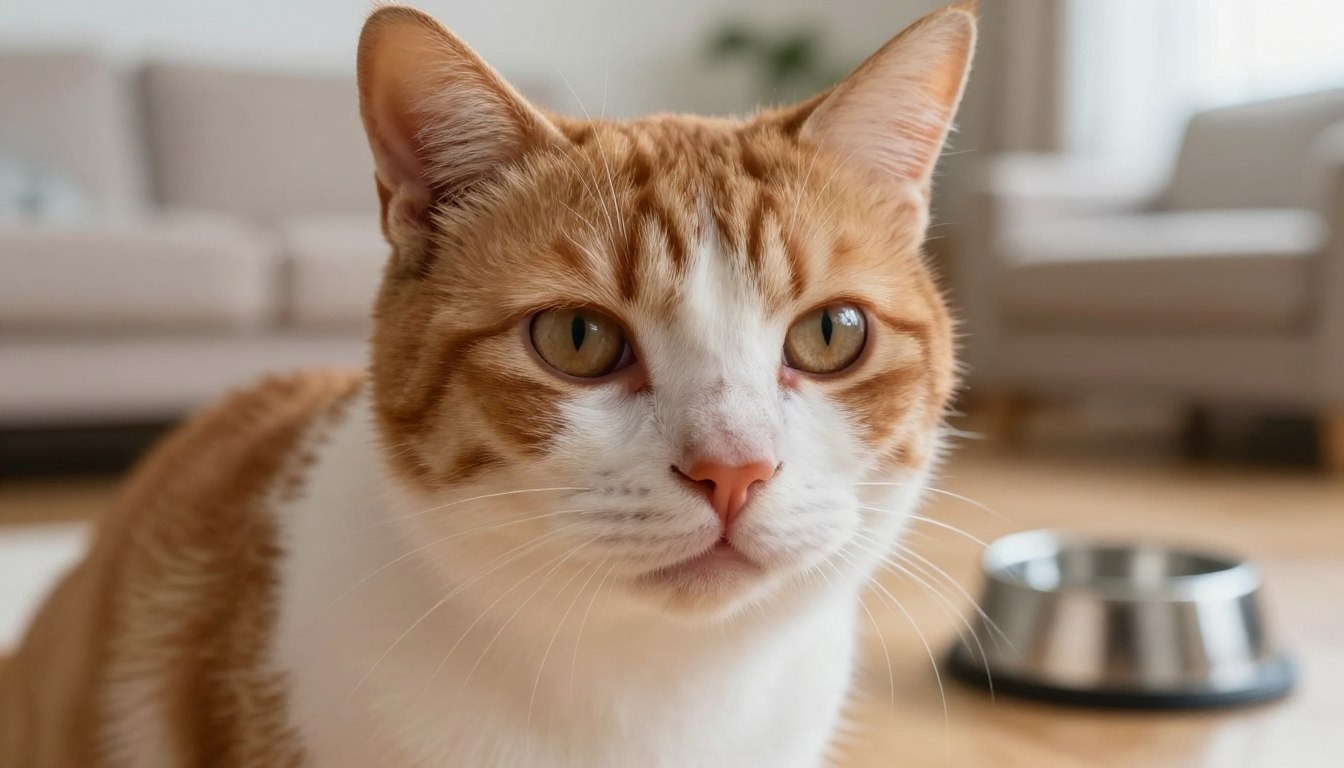
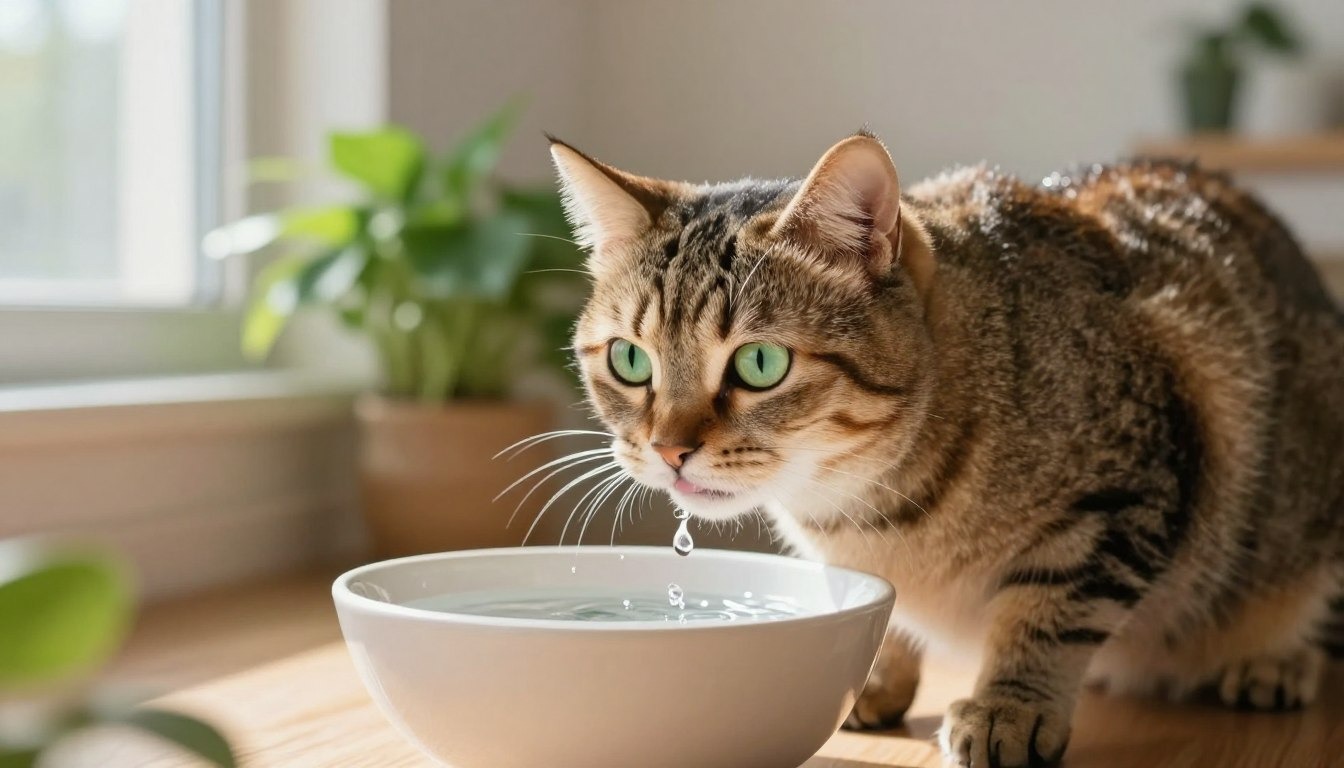
Many pet owners frequently panic upon touching their feline companion’s snout and finding it parched. You might wonder, is a dry nose normal in cats? In most cases, this physical state is entirely benign and simply reflects environmental factors or recent naps.
Cat Has a Dry Nose? Here’s When to Worry (And When It’s Normal)
Felines often experience fluctuations in moisture levels throughout the day. While hydration is vital, temporary dryness does not automatically signal a medical emergency. Understanding the baseline for your specific pet helps distinguish between harmless variations and genuine health concerns.
This guide provides the necessary roadmap to evaluate your companion's well-being. We will help you identify specific symptoms that necessitate professional veterinary intervention versus those that require only simple observation.
“If you notice other unusual symptoms, read Is Your Cat Sick? 10 Early Signs of Infection Most Owners Miss.”
Key Takeaways
A parched snout is frequently caused by sun exposure or low humidity.
Healthy pets often have varying levels of moisture throughout the day.
Monitor for lethargy or appetite loss alongside physical changes.
Consult your veterinarian if the skin appears cracked or bleeding.
Consistent hydration remains the best way to support overall wellness.
Understanding the Anatomy and Function of a Healthy Cat Nose
A cat's nose serves as a sophisticated sensory instrument that constantly interacts with the environment. While many owners focus on the texture of the skin, a healthy cat nose is actually a complex organ designed for survival and communication. It functions as both a primary tool for smell and a vital component of the animal's internal cooling system.
The Role of Moisture in Feline Olfaction
The surface of a cat's nose is covered in a thin layer of mucus that plays a critical role in their sense of smell. This moisture acts as a trap for airborne scent particles, allowing them to dissolve and reach the olfactory receptors more effectively. Without this natural lubrication, a cat would struggle to interpret the complex chemical signals in their surroundings.
"The feline nose is a masterpiece of biological engineering, designed to capture subtle environmental cues that remain invisible to humans."
Why Temperature and Humidity Affect Nasal Texture
It is common for a cat's nose to fluctuate between dry and damp throughout the day. These changes are often linked to the immediate environment rather than an underlying health issue. Several factors influence this texture:
Ambient humidity: Dry indoor air can quickly evaporate the moisture on the nose.
Sunlight exposure: Napping in a warm sunbeam often leads to a temporary dry nose.
Activity levels: Increased heart rate and body temperature during play can cause the nose to feel warmer and drier.
Distinguishing Between a Healthy Dry Nose and Dehydration
Many pet parents struggle with the cat dry nose vs wet nose debate, often assuming that a dry nose automatically signals illness. However, the cat dry nose meaning is frequently benign and simply reflects a moment of rest or a warm environment. A truly dehydrated cat will typically show other signs, such as lethargy or loss of skin elasticity, rather than just a dry nasal pad.
If your cat is active, eating well, and behaving normally, a dry nose is rarely a cause for alarm. Always observe the overall demeanor of your pet before assuming that a dry nose indicates a medical emergency.
Cat Has a Dry Nose? Here’s When to Worry (And When It’s Normal)
Distinguishing between normal fluctuations and health concerns is a key part of feline care. Many owners often ask if is a dry nose normal in cats, and the answer is frequently yes. A dry nose does not always signal an underlying illness, as feline nasal moisture levels change throughout the day.
A dry nose along with appetite changes may signal illness—learn more in Why Is My Cat Not Eating but Drinking Water?”
Environmental Factors That Cause Temporary Dryness
Your home environment plays a significant role in your cat's physical comfort. During winter months, indoor heating systems can lower the humidity in your living space, leading to temporary dryness. If you find yourself wondering why is my cat nose dry, consider the following environmental triggers:
Proximity to heat vents or radiators.
Low humidity levels in the home during dry seasons.
Exposure to direct sunlight for extended periods.
Drafty areas that cause rapid evaporation of nasal moisture.
The Impact of Sleep and Grooming Habits
Cats spend a large portion of their day resting, which directly impacts their nasal texture. When a cat sleeps, they are not licking their nose to keep it moist, which often results in a dry, warm sensation upon waking. Furthermore, grooming sessions can temporarily dry out the skin around the nose.
Natural behaviors like these are perfectly normal and usually resolve quickly once the cat becomes active again. You should observe your pet for a few minutes after they wake up to see if their nose returns to its typical state. If the dryness persists after they have been active and hydrated, it may warrant closer attention.
When Dryness Becomes a Persistent Clinical Concern
While occasional dryness is common, you must learn to identify when it signals a deeper issue. A persistent dry nose that remains cracked, crusty, or accompanied by discharge is a red flag. You should monitor your cat for other signs of distress, such as lethargy or a loss of appetite.
If the dryness is paired with visible skin irritation or changes in behavior, it is time to consult a professional. Early detection of health issues ensures that your cat receives the care they need before a minor condition becomes a serious clinical concern.
Common Causes of a Dry and Warm Nose in Cats
Understanding the various dry cat nose causes is a vital part of responsible pet ownership. While many instances of nasal dryness are temporary and harmless, persistent changes in texture and temperature often serve as early warning signs of underlying health issues.
Fever and Systemic Illness Indicators
When you notice that my cat nose is dry and warm, it is natural to feel concerned about a potential fever. A cat's normal body temperature is higher than a human's, but a nose that feels hot to the touch can indicate that your pet is fighting an infection or inflammation.
Monitoring for cat fever symptoms is essential if the dryness persists. Keep an eye out for these common indicators of systemic illness:
Lethargy or unusual hiding behaviors
Loss of appetite or refusal to drink water
Rapid breathing or panting while at rest
Shivering or seeking out unusually warm spots
"A physical examination of your cat's nose should always be paired with an assessment of their overall behavior and energy levels to determine if a veterinary visit is necessary."
Allergic Reactions and Environmental Irritants
Just like humans, cats can suffer from sensitivities to their surroundings. Airborne particles such as dust, pollen, or strong chemical fragrances from cleaning products can irritate the nasal passages.
This irritation often leads to a dry, crusty, or inflamed nose. If your cat is frequently sneezing or rubbing their face against furniture, an environmental allergen may be the culprit. Reducing exposure to these irritants can often restore the natural moisture balance of the nose.
If your cat also shows sneezing or nasal discharge, check our guide on Cat Sneezing and Watery Eyes for possible infections.”
The Role of Dehydration in Nasal Changes
Dehydration is a significant factor that can cause a cat's nose to lose its natural moisture. When a cat does not consume enough fluids, the body prioritizes vital organs, which can lead to dry skin and a parched nasal surface.
Ensuring your cat has constant access to fresh, clean water is the best way to prevent this issue. If you suspect your cat is dehydrated, check their gums for tackiness or perform a skin tent test to assess their hydration levels.
Recognizing Signs of Dehydration in Your Cat
Recognizing the early warning signs of dehydration can help you protect your cat's long-term health. While a dry nose is not always a cause for alarm, it can occasionally serve as one of the cat dry nose dehydration signs that require your attention. Proactive monitoring allows you to catch potential issues before they escalate into serious medical concerns.
cat dry nose dehydration signs
Physical Assessment Techniques for Pet Owners
You can perform simple checks at home to evaluate your pet's fluid levels. These techniques provide a quick snapshot of your cat's current state of cat hydration.
Checking Skin Turgor and Gum Moisture
One reliable method is the skin tent test. Gently lift the skin between your cat's shoulder blades and release it; the skin should snap back into place immediately. If the skin remains tented or returns slowly, this may indicate a lack of fluids.
Additionally, inspect your cat's gums. Healthy gums should feel slick and moist to the touch. If they feel tacky or dry, your cat may be experiencing mild to moderate dehydration.
Monitoring Litter Box Habits and Water Intake
Tracking your cat's daily habits is a powerful way to ensure they are getting enough fluids. Sudden changes in these routines often signal an underlying health issue.
Frequency: Note if your cat is urinating less frequently than usual.
Volume: Observe if the size of the urine clumps in the litter box has decreased.
Consumption: Keep an eye on how much water your cat drinks from their bowl throughout the day.
When to Seek Immediate Veterinary Intervention
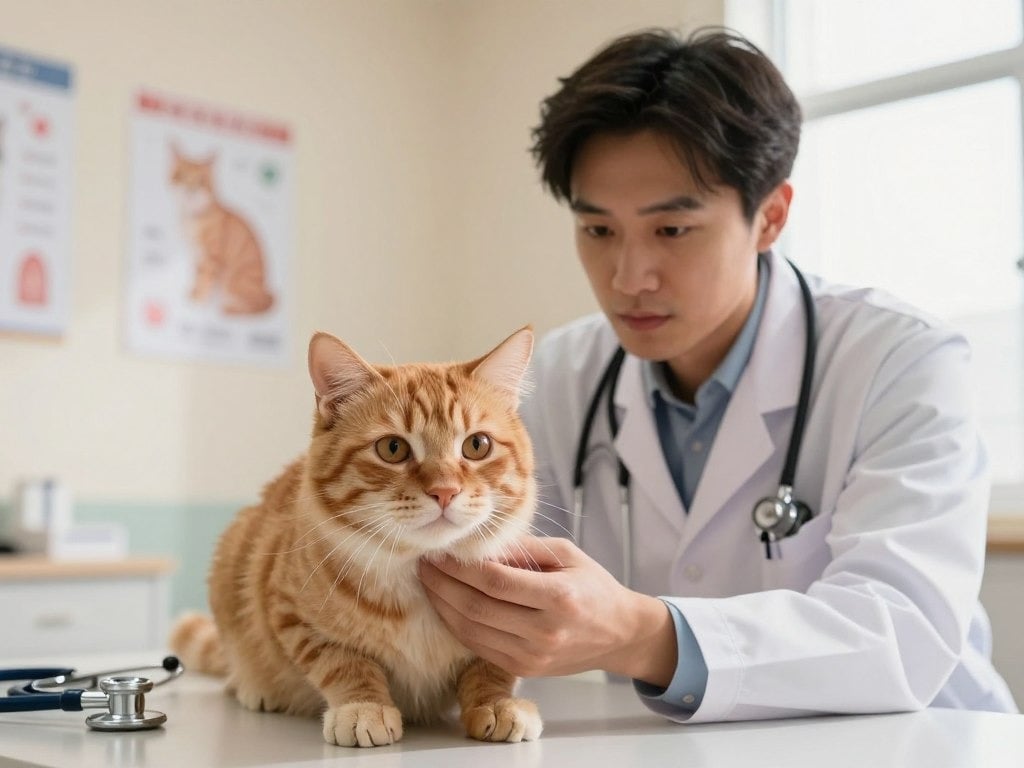
While some minor fluctuations in fluid intake are normal, certain symptoms demand professional care. If you notice your cat acting lethargic, refusing to eat, or showing signs of extreme weakness, contact your veterinarian immediately.
Persistent dehydration can lead to organ stress and other severe complications. Always prioritize your cat's safety by seeking expert guidance if you suspect their health is declining rapidly. Maintaining consistent cat hydration is a cornerstone of a happy, healthy life for your feline companion.
Evaluating Other Symptoms Accompanying a Dry Nose
When you notice changes in your pet's nasal texture, it is essential to look at the big picture of their health. A dry nose alone is rarely a definitive indicator of a serious medical condition. Instead, you should observe your cat's overall demeanor and physical state to determine if professional help is necessary.
Assessing Appetite and Energy Levels
One of the most reassuring signs for any pet owner is seeing a normal appetite. If you find your cat nose dry but eating fine, it often suggests that the dryness is merely a temporary environmental reaction rather than a systemic issue. A cat that maintains its regular feeding schedule and shows interest in treats is typically in good spirits.
However, keep a close watch on their activity levels throughout the day. A healthy cat should remain engaged with its environment and maintain its usual play habits. If your pet suddenly becomes lethargic or refuses to eat, this combination of symptoms is a much stronger indicator that something is wrong.
Identifying Respiratory Distress or Nasal Discharge
While a dry nose is often harmless, other physical changes require immediate attention. You must be vigilant for signs of illness in cats, such as labored breathing, wheezing, or persistent coughing. These respiratory issues are far more concerning than a simple change in nasal moisture.
Additionally, check for any abnormal discharge coming from the nostrils. If you notice thick, colored, or crusty mucus, this is a clear red flag. These clinical symptoms suggest an underlying infection or inflammation that needs a veterinary diagnosis.
Monitoring Changes in Behavior and Social Interaction
Your cat’s personality is often the best barometer for their internal health. Sudden shifts in social behavior, such as hiding, increased irritability, or a lack of interest in grooming, are significant warning signs of illness in cats. When these behavioral changes occur alongside a dry nose, it is time to consult a professional.
Always trust your instincts as a pet owner. If your cat seems unusually withdrawn or acts differently than their normal self, it is better to be cautious. A holistic assessment ensures you catch potential health problems before they escalate into serious concerns.
Environmental Management for Optimal Feline Health
Creating a healthy home environment is essential for your cat's long-term wellness. By controlling the factors within your living space, you can prevent unnecessary nasal dryness and support your pet's overall comfort. Small, consistent changes often lead to significant improvements in your cat's daily quarantine.
Sudden weight or behavior changes can also be warning signs—see Why Is My Cat Losing Weight Suddenly?”
cat hydration
Maintaining Proper Indoor Humidity Levels
Indoor air often becomes excessively dry, especially during the winter months when heating systems run constantly. This lack of moisture can irritate sensitive nasal passages and lead to discomfort. Using a humidifier in rooms where your cat spends the most time can help balance the air quality effectively.
Ensuring Constant Access to Fresh Water Sources
Proper cat hydration is a cornerstone of feline health and helps keep mucous membranes moist. You should provide multiple water stations throughout your home to encourage frequent drinking. Always ensure the water is fresh and the bowls are cleaned daily to prevent bacterial growth.
Reducing Exposure to Household Toxins and Allergens
Many common household items can act as irritants to a cat's delicate respiratory system. Strong cleaning chemicals, scented candles, and certain indoor plants may trigger inflammation or dryness. Switching to pet-safe cleaning products and improving ventilation will significantly reduce these environmental risks. By minimizing these triggers, you support better cat hydration and overall respiratory function.
When to Schedule a Veterinary Appointment
If you are wondering when should i worry about cat dry nose, it is important to look beyond the surface of the skin. While occasional dryness is often harmless, persistent changes in your pet's health require a professional eye. Understanding the difference between a temporary environmental reaction and a systemic illness is the first step toward effective care.
Red Flags That Require Professional Diagnosis
Certain symptoms serve as clear indicators that your cat needs medical attention. You should prioritize a visit if the nasal dryness is accompanied by significant behavioral shifts or physical distress. Watch for these specific warning signs:
Persistent lethargy or unusual hiding behaviors.
A noticeable fever or warm-to-the-touch ears.
Crusting, bleeding, or thick discharge from the nostrils.
Loss of appetite or sudden weight changes.
"Early detection of systemic illness through subtle physical changes can significantly improve the prognosis for feline patients." Veterinary Health Journal
Preparing for Your Veterinary Visit
Preparation helps your veterinarian reach an accurate diagnosis much faster. Start by keeping a detailed log of when you first noticed the dryness and any other symptoms that appeared alongside it. Documenting your cat's recent diet, changes in the household, or new cleaning products can provide vital clues.
Be ready to discuss your cat's vaccination history and any known allergies. Providing a clear timeline allows the doctor to rule out simple environmental irritants quickly. Clear communication is your best tool during the consultation.
Understanding Diagnostic Tests for Nasal and Systemic Issues
When you ask yourself when should i worry about cat dry nose, remember that veterinarians have a variety of tools to find the root cause. They may perform a physical exam to check for signs of systemic dehydration or infection. If the cause remains unclear, further testing is often necessary.
Common diagnostic procedures include:
Blood panels: To check for underlying infections or organ dysfunction.
Nasal swabs: To identify potential bacterial or fungal pathogens.
Imaging: X-rays or CT scans to examine the nasal passages for obstructions.
Biopsies: If the veterinarian suspects chronic inflammation or tissue abnormalities.
These tests ensure that your cat receives the correct treatment plan tailored to their specific needs. Relying on professional diagnostics is always safer than guessing the cause of your pet's discomfort.
Myths and Misconceptions About Cat Nose Health
Navigating the world of pet health care requires separating common myths from scientific reality. Many owners feel immediate panic when they touch a dry nose, assuming it signals a fever or severe illness. However, relying on a single physical indicator is rarely an accurate way to assess your cat's overall condition.
Debunking the Wet Nose Equals Healthy Myth
The belief that a wet nose is the only sign of a healthy cat is a persistent misconception. In truth, a cat's nose moisture levels fluctuate throughout the day based on activity, ambient temperature, and hydration status. It is perfectly normal for a healthy cat to have a dry nose after a nap in a sunbeam or a session of intense play.
"A dry nose is not a diagnostic tool for illness. Owners should look at the whole cat—appetite, energy, and behavior—rather than focusing solely on nasal moisture."
To maintain high standards of pet health care, consider these factors that influence nasal moisture:
Environmental changes: Dry air from heating or cooling systems can temporarily dry out the nasal leather.
Grooming habits: Cats often lick their noses to keep them moist, but they may stop when sleeping.
Activity levels: Increased heart rate and body temperature during exercise can lead to rapid evaporation of nasal moisture.
Why Breed-Specific Traits Matter
When evaluating your cat, it is vital to consider their unique anatomy. Breed-specific traits play a significant role in how a cat's nose appears and functions. For instance, brachycephalic breeds—those with shorter, flatter faces like Persians or Exotics—often have different airflow patterns compared to other cats.
These structural differences can sometimes make their noses appear drier or more congested than those of long-nosed breeds. Understanding these nuances is a key part of responsible pet health care. Always consult your veterinarian if you notice sudden changes, but remember that your cat's unique facial structure might be the reason for their specific nasal appearance.
Explore our Cat Health & Disease Guide Hub to understand more about symptoms, diseases, and cat care tips.”
Conclusion
A dry nose often triggers unnecessary worry for pet owners. Most of the time, this physical trait represents a normal variation linked to your cat’s daily activity or the surrounding environment. You play a vital role in distinguishing between simple dryness and genuine health concerns.
Focus on your cat’s overall behavior to gauge their true well-being. Watch for changes in appetite, energy levels, or social interaction. These indicators provide a much clearer picture of health than the texture of a nose alone.
Maintain a comfortable living space by monitoring indoor humidity and providing constant access to fresh water. Brands like PetSafe offer reliable water fountains that encourage proper hydration throughout the day. Small adjustments in your home environment support long-term vitality for your feline companion.
Trust your instincts when you observe persistent changes in your pet. Reach out to your veterinarian if you notice signs of illness or discomfort. Proactive care and consistent observation remain the best ways to ensure a long, happy life for your cat. Share your experiences or questions about feline health in the space below to help our community learn together.
FAQ
Is a dry nose normal in cats or should I be concerned?
Yes, it is very common for a healthy cat nose to fluctuate between being wet and dry throughout the day. In many cases, is a dry nose normal in cats depends on their environment and activity level. For instance, if your cat has been sunbathing or napping near a heater, their nose will naturally feel dry. As long as your pet is behaving normally, a temporary dry nose is usually not a cause for alarm.
What is the specific cat dry nose meaning when it comes to their health?
The cat dry nose meaning typically relates to the cat's current environment or recent activity rather than a chronic illness. Because cats use their noses for olfaction and temperature regulation, the moisture level can change based on humidity. However, if the dryness is persistent and accompanied by cracking or discharge, it may indicate a dermatological issue or a more systemic health concern.
Why is my cat nose dry after they wake up from a nap?
If you are wondering why is my cat nose dry after sleep, it is because cats stop licking their noses while they are resting. Regular grooming and licking are what maintain the moisture on the rhinarium (the skin around the nostrils). Once your cat wakes up and begins their grooming routine, the nose usually returns to its typical damp state.
What are the most common dry cat nose causes I should know about?
Common dry cat nose causes include low indoor humidity, especially during winter months when forced-air heating is active. Other factors include extended exposure to direct sunlight, proximity to heat sources, or even minor allergic reactions to household dust or fragrances from brands like Air Wick or Glade. In some cases, it can also be a baseline physiological trait of specific breeds.
My cat nose is dry and warm; does this mean they have a fever?
While many owners worry when my cat nose is dry and warm, it is not a definitive diagnostic tool for a fever. However, it can be one of the early cat fever symptoms. To be certain, you should monitor for other clinical signs like lethargy, loss of appetite, or a decreased interest in play. If you suspect a fever, a rectal temperature reading by a veterinarian is the only way to confirm.
What are the specific cat dry nose dehydration signs I should look for?
Beyond a dry nose, cat dry nose dehydration signs include "tacky" or sticky gums rather than slippery ones. You can also perform a skin turgor test by gently lifting the skin between the shoulder blades; if it does not "snap" back quickly, your cat may be dehydrated. Additionally, sunken eyes and decreased litter box usage are serious indicators that your cat needs increased cat hydration.
When should I worry about cat dry nose if my pet seems okay otherwise?
You should specifically identify when should i worry about cat dry nose by looking for physical changes to the nose leather. If the nose is not just dry but also flaking, crusting, bleeding, or showing signs of discoloration, a veterinary visit is necessary. These symptoms can point toward autoimmune disorders, such as discoid lupus, or localized infections that require professional pet health care.
My cat nose is dry but eating fine—is this still an emergency?
If your cat nose is dry but eating fine and maintaining normal energy levels, it is highly unlikely to be an emergency. Most signs of illness in cats involve a significant change in behavior or metabolic function. If your cat is still enjoying their Fancy Feast or Royal Canin and using the litter box normally, the dry nose is likely just a result of environmental factors.
In the debate of cat dry nose vs wet nose, which one indicates better health?
The comparison of cat dry nose vs wet nose is often misunderstood. A wet nose helps a cat trap scent particles, enhancing their sense of smell, but a dry nose does not mean their health is compromised. Neither state is a perfect "health meter" on its own; instead, owners should look for consistency. A sudden, drastic change in nasal texture combined with other symptoms is more telling than whether the nose is wet or dry at any single moment.
How can I improve my cat's hydration to prevent a dry nose?
To support overall cat hydration, ensure your cat has constant access to fresh, filtered water. Many cats prefer running water, so using a fountain like those from Catit or Drinkwell can encourage more frequent drinking. You can also incorporate wet food into their diet to increase moisture intake, which helps maintain a healthy cat nose and supports kidney function.