
Cat Sneezing and Watery Eyes? 5 Hidden Infection Causes You Shouldn’t Ignore
Is your cat sneezing and having watery eyes? Discover 5 hidden infection causes and when to take action to protect your cat’s health.
CAT SNEEZING AND WATERY EYES
4/16/20262 min read
Cat Sneezing and Watery Eyes?5 Hidden Infection Causes You Shouldn’t Ignore
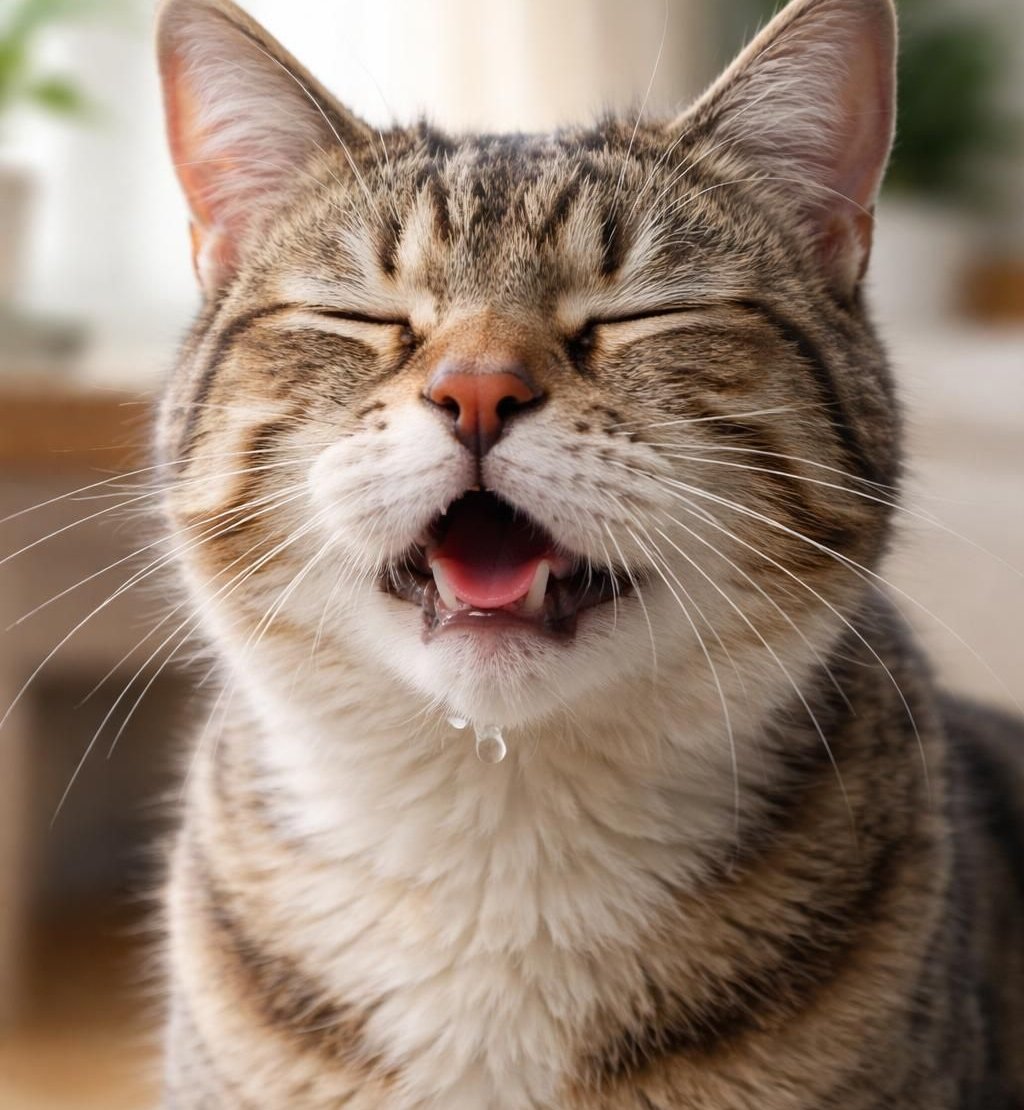
If your domestic cat is sneezing and has watery eyes, it might seem like a minor issue—but it can sometimes signal an underlying infection. While occasional sneezing is normal, frequent sneezing combined with eye discharge should not be ignored.
Understanding the hidden causes behind these symptoms can help you take early action and prevent more serious health problems.
Is Sneezing in Cats Always a Problem?
Occasional sneezing can happen due to:
dust
strong smells
minor irritation
However, when sneezing is frequent and paired with watery eyes, it often indicates something more than simple irritation.
5 Hidden Infection Causes You Should Know
1. Upper Respiratory Infection (URI)
One of the most common causes is a Upper Respiratory Infection.
👉 Symptoms include:
sneezing
nasal discharge
watery or red eyes
reduced appetite
These infections spread easily between cats and are similar to a cold in humans.
2. Feline Herpesvirus
A major viral cause behind chronic sneezing and eye problems.
👉 It can lead to:
repeated flare-ups
eye inflammation
nasal congestion
This virus often stays in the body and becomes active during stress.
3. Bacterial Eye Infections
Bacteria can affect both the respiratory system and eyes.
👉 Signs include:
thick yellow or green discharge
swollen eyelids
sticky eyes
These infections may develop after a viral illness weakens the immune system.
4. Allergies or Environmental Irritants
Not all causes are infections. Allergies can also trigger:
sneezing
watery eyes
mild irritation
Common triggers:
dust
smoke
cleaning chemicals
5. Dental Problems
Surprisingly, dental infections can spread to the sinus area.
👉 Watch for:
bad breath
difficulty eating
swelling near the face
This can lead to sneezing and eye discharge due to proximity to nasal passages.
How to Tell If It’s Serious
Watch closely for warning signs:
symptoms lasting more than 2–3 days
thick discharge from eyes or nose
loss of appetite
lethargy
difficulty breathing
If multiple symptoms appear together, the condition may be more serious.
Changes in Cat Behavior During Illness
Sick cats often show subtle signs:
hiding more than usual
reduced grooming
sitting quietly with half-closed eyes
avoiding interaction
These behavioral clues are often the first indication of illness.
Home Care Tips for Mild Cases
1. Keep Your Cat Comfortable
Provide a warm, quiet resting space.
2. Clean Eyes Gently
Use a soft, damp cloth to wipe discharge.
3. Encourage Eating
Offer warm, strong-smelling food to stimulate appetite.
4. Maintain Hydration
Ensure fresh water is always available.
5. Reduce Irritants
Keep your home free from smoke, dust, and strong chemicals.
When to Seek Veterinary Help
Immediate attention is needed if your cat shows:
breathing difficulty
refusal to eat
worsening symptoms
eye swelling or pain
persistent discharge
Early treatment can prevent complications and speed recovery.
Preventing Future Infections
keep vaccinations up to date
maintain a clean environment
reduce stress levels
avoid contact with sick cats
provide balanced nutrition
Helpful Products for Your pet
humidifier
soft wipes for eye cleaning
stainless steel food bowls
cozy bedding
Final Thoughts
If your cat is showing symptoms like sneezing and watery eyes, don’t ignore them. Cat Sneezing and Watery Eyes can be caused by hidden infections that require attention. Early care, proper hygiene, and close observation can make a big difference in your cat’s recovery.
Frequently Asked Questions (FAQ) 🐾
Why is my cat sneezing and has watery eyes?
It may be due to respiratory infection, allergies, or eye infection.
Is sneezing serious in cats?
Occasional sneezing is normal, but frequent sneezing with other symptoms is not.
Can it go away on its own?
Mild cases may improve, but persistent symptoms need attention.
How long should I wait before worrying?
If symptoms last more than 2–3 days, monitor more closely.
Can humans catch cat infections?
Most cat respiratory infections do not affect humans.