Why Does My Dog Sleep So Close to Me? 7 Real Reasons & When to Worry
Why does your dog sleep so close to you? Discover 7 real reasons, from love and protection to anxiety, plus signs you should never ignore.
WHY DOES MY DOG SLEEP SO CLOSE TO ME
4/5/202615 min read

Why Does My Dog Sleep So Close to Me and What It Means
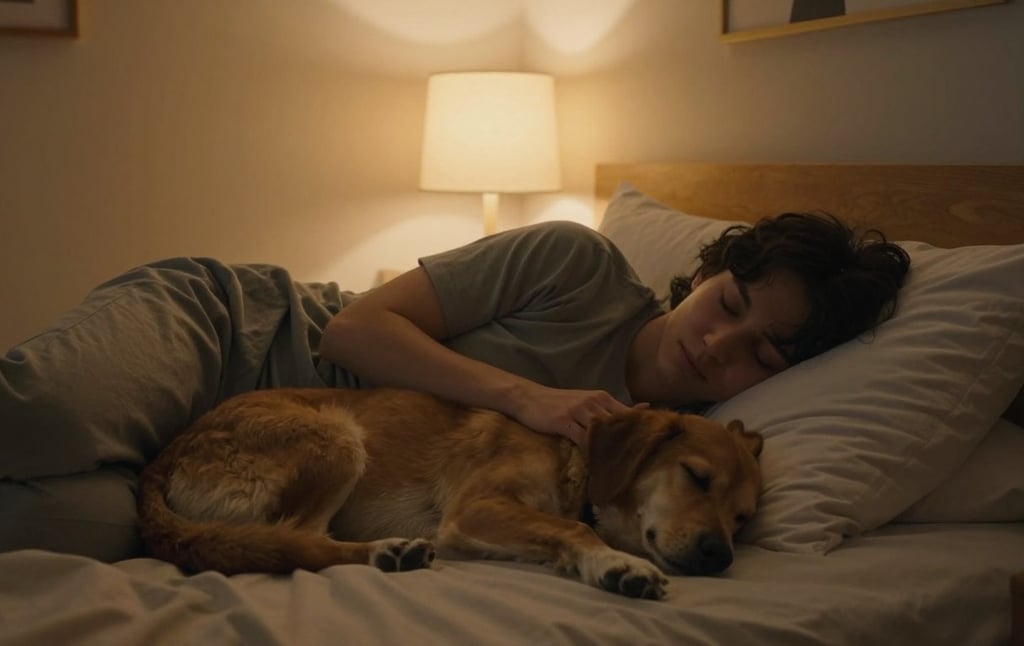
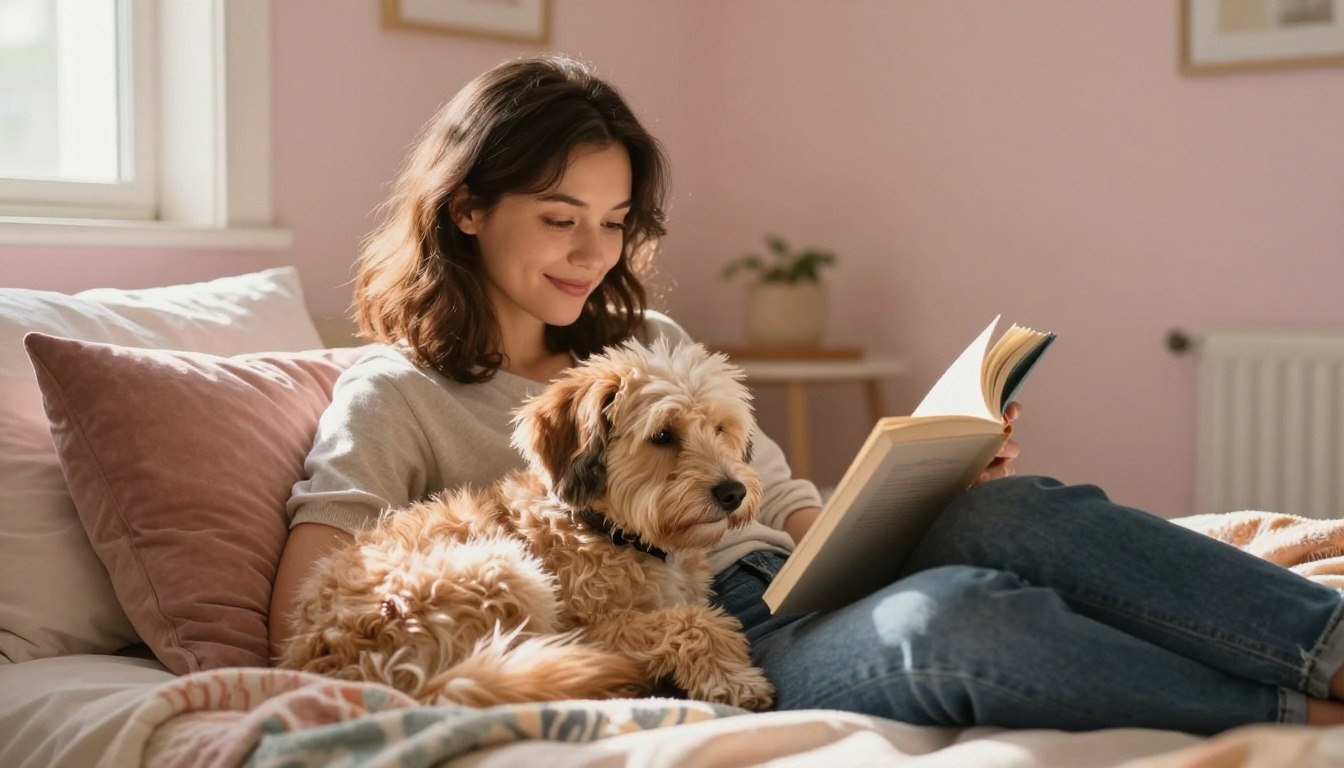
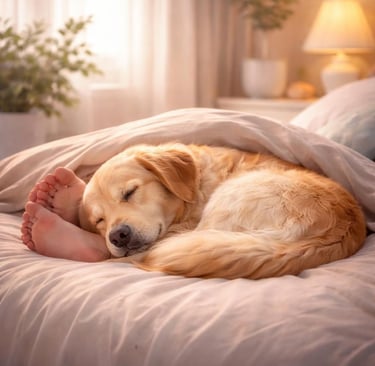
Have you ever woken up to find your furry companion curled up right against your side? Many pet owners often wonder why does my dog sleep so close to me during the night. This common behavior is more than just a search for warmth or comfort.
It represents a deep emotional connection and a biological instinct rooted in pack dynamics. Canines are social creatures that naturally seek the safety of their group when resting. By choosing your side, your pet is signaling trust and a desire for security.
Understanding these habits helps you appreciate the unique bond you share with your animal friend. When you ask why does my dog sleep so close to me, you are really exploring the foundation of your relationship. This guide will help you interpret these nightly rituals and what they reveal about your pet's personality
Some dogs also sleep on personal items—learn more in Why Does My Dog Sleep on My Clothes and what it means.”
Key Takeaways
Proximity during rest is a sign of deep trust and affection.
Dogs are pack animals that feel safer when resting near their human family.
Seeking warmth is a biological driver for cuddling at night.
Your pet views you as their primary source of protection and comfort.
Understanding these behaviors strengthens the emotional bond between you and your dog.
The Evolutionary Roots of Canine Sleeping Habits
The sleeping habits of modern dogs are deeply rooted in the survival instincts of their ancient predecessors. By examining these historical behaviors, we can find that dog sleeping habits explained through an evolutionary lens reveal a profound connection to the past. These instincts remain active in our pets today, influencing how they choose to rest.
“If your dog prefers staying near your feet, read our guide on Why Does My Dog Sleep at My Feet to understand similar bonding behavior.”
Ancestral Survival Strategies
In the wild, survival was a constant challenge that required strategic cooperation among pack members. Sleeping in close proximity provided a vital defense mechanism against predators lurking in the dark. By huddling together, dogs could maintain body heat while ensuring that at least one member of the group remained alert to potential threats.
This collective approach to rest was essential for the survival of the species in harsh environments. When we see these dog sleeping habits explained in a domestic setting, it becomes clear that your dog views you as a trusted member of their pack. They seek your presence to replicate the safety and warmth they would have found in their ancestral groups.
The Concept of the Den
Beyond the need for social proximity, dogs possess an innate drive to seek out a den. In nature, a den served as a secure, enclosed space that offered protection from the elements and hidden dangers. This behavior provided a psychological sense of security that allowed the animal to enter a deep, restorative sleep.
Today, your home acts as the modern equivalent of that ancestral den. When your dog chooses to sleep right next to you, they are essentially claiming their safe space within the pack. Understanding these dog sleeping habits explained helps owners appreciate that this closeness is a natural expression of trust and comfort.
Why Does My Dog Sleep So Close to Me: Biological and Emotional Drivers
When you observe your dog curling up against you, you are witnessing a complex display of natural behavior. Understanding why does my dog sleep so close to me requires looking at both biology and emotion. These nightly rituals are rarely random, as they serve several vital functions for your pet.
If your dog becomes restless or uneasy at night, read Why Is My Dog Panting at Night? to identify possible stress or health issues.”
Seeking Warmth and Thermal Regulation
In the wild, canines often huddle together to conserve body heat during cold nights. This instinct persists in our homes, where your dog views you as a reliable source of warmth. By pressing against your body, they effectively regulate their temperature through shared heat.
This behavior is a practical adaptation that helps them stay comfortable throughout the night. It is a classic example of how ancestral survival traits influence modern dog behavior. When your pet seeks your side, they are simply following a biological blueprint for comf8ort.
The Need for Security and Protection
Dogs are naturally vigilant creatures that feel most vulnerable while sleeping. By choosing to sleep in close proximity to you, they are positioning themselves within a safe zone. This physical contact allows them to monitor your movements and feel protected by your presence.
"The bond between a human and a dog is a unique partnership that provides mutual comfort and a profound sense of safety for both parties."
This proximity acts as a security blanket, reducing their stress levels significantly. It reinforces the idea that you are their primary protector in the household. They rely on this closeness to ensure they are not alone if a potential threat arises.
Affection and Social Bonding
Beyond survival, sleeping near you is a clear sign of deep emotional attachment. Dogs are social animals that thrive on physical touch to maintain their bond with pack members. When your dog chooses to snuggle, they are expressing trust and love.
This intimate act strengthens your relationship and promotes the release of oxytocin in both you and your pet. It is a fundamental aspect of dog behavior that highlights the depth of your connection. Ultimately, this closeness is a heartfelt way for your companion to say they feel happy and secure by your side.
If your dog shows weakness or behavior changes, read Why Is My Dog Not Eating and Acting Weak? for serious warning signs.”
Decoding the Meaning Behind Different Sleeping Positions
Your dog’s choice of sleeping position is more than just a preference; it is a form of communication. By observing these postures, you can better understand the dog sleeping close meaning and what your pet is trying to convey. Each shift in their body language offers a glimpse into their level of comfort and trust within your home.
Why Does My Dog Lay on Me
When your pet chooses to rest their weight directly on your body, it is often a sign of deep affection. Many owners wonder, why does my dog lay on me during rest? This behavior is a way for them to maintain constant physical contact, which provides them with a sense of safety and emotional stability.
By staying in direct contact, your dog is essentially tethering themselves to you. This proximity reinforces the social bond and ensures they are the first to know if you move or wake up. It is a powerful display of loyalty that highlights how much they value your presence.
The Significance of Pressing Against You
If you have ever asked yourself, why does my dog press against me while sleeping, you are witnessing a classic pack behavior. When a dog pushes their back against your legs or torso, they are creating a defensive perimeter. This position allows them to monitor their surroundings while feeling protected by your presence.
This posture is a clear sign of trust. By exposing their back to you, they are showing that they feel completely safe in your care. They rely on you to watch their blind spots while they drift off into a deep, restorative sleep.
Explore our Dog Health & Behavior Guide Hub to understand more about dog habits, symptoms, and warning signs.”
Curled Up vs. Stretched Out
The way a dog arranges their limbs also tells a story about their internal state. A dog that curls into a tight ball is often conserving body heat or protecting their vital organs. This position is common when a dog feels slightly vulnerable or is simply trying to stay warm during a chilly night.
Conversely, a dog that stretches out fully is a sign of complete relaxation. When they sprawl across the bed or floor, it indicates they feel secure enough to leave their belly exposed. This open posture suggests they are comfortable in their environment and have no need to remain on high alert.
The Role of Pack Instincts in Domesticated Dogs
Domesticated dogs still carry the social blueprints of their wild ancestors within their DNA. While your living room looks very different from a forest, your pet’s brain operates on ancient social programming. This internal drive prioritizes group safety and constant communication with other members of the household.
The Pack Mentality in Modern Homes
In a domestic setting, your family serves as the primary social unit for your pet. The pack instinct dogs possess is not about dominance, but rather about belonging and mutual support. Your dog views you as a vital leader and a source of stability, which is why they feel most comfortable when the entire group is gathered together.
This social cohesion is a fundamental aspect of their daily life. When you move from one room to another, your dog often feels a compelling urge to join you. They are not just being clingy; they are fulfilling a biological need to maintain the integrity of the pack.
Why Does My Dog Follow Me and Sleep Near Me
The question of why does my dog follow me and sleep near me is rooted in the concept of safety in numbers. In the wild, sleeping alone left an animal vulnerable to predators or environmental threats. By staying close to you, your dog feels protected and secure, which allows them to enter a deep, restful sleep.
Furthermore, this proximity serves as a way to monitor your movements and stay connected. Your dog uses these moments to reinforce their bond with you through physical contact. Resting near you is their way of saying that they trust you completely and value your presence as the heart of their world.
When Proximity Signals Anxiety or Health Concerns
Sometimes, a sudden shift in sleeping habits points toward underlying health or emotional struggles. While most dogs naturally seek out their owners for comfort, there are moments when this behavior becomes excessive or uncharacteristic. Recognizing the difference between a loving companion and a pet in distress is a key responsibility for any owner.
Identifying Signs of Separation Anxiety
When a dog becomes unable to settle unless they are in constant physical contact with you, it may be a sign of dog separation anxiety. This condition often manifests as an intense, frantic need to be near the owner at all times. If your pet displays panic when you move away, even during sleep, it is worth investigating further.
Common indicators of this emotional distress include:
Pacing or inability to find a comfortable position.
Whining or vocalizing when you attempt to create distance.
Excessive panting or trembling while resting.
Hyper-vigilance, where the dog remains alert even when they should be sleeping.
Physical Discomfort and Seeking Support
Beyond emotional factors, physical pain often drives a dog to seek out their owner for protection. Dogs are masters at masking illness, but their sleeping patterns often reveal their true state. If your dog is suffering from arthritis, injury, or internal discomfort, they may press against you to find a sense of security and stability.
You might notice your dog choosing to sleep in a rigid position or avoiding certain movements. When a dog feels vulnerable, they instinctively look for a "safe harbor." Your presence provides a calming effect that can help them manage their physical pain more effectively.
When to Consult a Veterinarian
If you notice a drastic change in your dog's behavior, it is time to seek professional advice. A veterinarian can help determine if the clinginess is related to dog separation anxiety or a hidden medical condition. Early intervention is always the best approach for long-term health.
Consider scheduling an appointment if you observe the following:
Sudden, unexplained changes in sleep duration.
Signs of lethargy or loss of appetite.
Aggression or irritability when touched.
New, repetitive behaviors that interfere with daily rest.
Sudden Changes in Sleeping Patterns
When your canine companion suddenly changes their nightly routine, it often signals an underlying need. While consistency is usually the hallmark of a healthy pet, dog sleeping patterns can fluctuate due to various internal and external factors. Recognizing these shifts early allows you to provide the necessary support during times of adjustment.
Why Does My Dog Sleep So Close to Me All of a Sudden
Many owners find themselves asking, "why does my dog sleep so close to me all of a sudden?" This behavior often stems from a heightened need for reassurance or physical comfort. When a dog feels uncertain about their environment, they naturally gravitate toward their primary caregiver to regain a sense of safety.
"The bond between a human and a dog is anchored in trust, and during times of change, that proximity serves as a vital emotional anchor for the animal."
If your pet has recently started pressing against you, they may be attempting to monitor your presence. This proximity acts as a protective mechanism, ensuring they remain connected to their pack leader when they feel vulnerable.
Environmental Stressors and Life Transitions
Significant changes in your household can trigger these behavioral shifts. Common stressors that impact your pet include:
Moving to a new home or changing the layout of a room.
The arrival of a new family member or a visiting guest.
Changes in your daily work schedule or routine.
Loud noises or construction occurring near the living space.
When you notice your pet seeking extra closeness, it is important to observe if they are showing signs of distress. You might wonder, why does my dog sleep so close to me during these times? Often, it is simply their way of navigating a life transition by staying near the person they trust most. Providing a calm, consistent environment will help them feel secure as they adapt to their new surroundings.
The Impact of Co-Sleeping on the Human-Canine Bond
Co-sleeping serves as a powerful catalyst for deepening the unique bond you share with your canine companion. When you allow your pet to rest nearby, you are participating in a natural dog bonding behavior that reinforces your status as their primary source of safety. Many owners often find themselves asking, why does my dog sleep next to me, and the answer usually lies in the deep-seated trust they have developed for you.
Does My Dog Love Me if He Sleeps Next to Me
It is natural to wonder, does my dog love me if he sleeps next to me? The short answer is that this behavior is a clear indicator of affection and deep-rooted attachment. By choosing to be in your immediate presence, your dog is signaling that they feel completely secure and content in your company.
This proximity is not merely about physical warmth or convenience. It is a vulnerable state that your dog only enters when they feel entirely safe. When your pet rests against you, they are essentially saying that you are their protector and their favorite person in the world.
Psychological Benefits for Both Species
The act of sharing a sleeping space provides significant psychological advantages for both humans and dogs. For many people, the rhythmic breathing and presence of a loyal pet can drastically reduce stress levels after a long day. This shared tranquility fosters a sense of calm that helps both parties achieve a more restful state of mind.
Dogs also experience a profound sense of security when they are allowed to sleep near their owners. This closeness helps to alleviate anxiety and reinforces the social structure of your household. Ultimately, this nightly ritual acts as a silent, consistent affirmation of the love and loyalty that defines your relationship.
Establishing Healthy Boundaries for Your Dog
Establishing clear boundaries regarding your dog's sleeping arrangements can improve the quality of rest for everyone in the household. While the bond between humans and pets is profound, maintaining a structured environment helps ensure that both you and your canine companion wake up feeling refreshed. Finding this balance is a key part of responsible pet ownership.
Is It Normal for a Dog to Sleep with Owner
Many people often ask, is it normal for dog to sleep with owner? The answer is a resounding yes, as this behavior is quite common in modern households across the United States. Many owners find comfort in the physical presence of their pets, which can reduce stress and provide a sense of safety.
However, there are valid reasons to consider alternative arrangements. Some owners may struggle with allergies, disrupted sleep cycles, or simply the lack of physical space in the bed. Deciding whether to allow your pet in your bed is a personal choice that should prioritize the well-being and comfort of all family members.
Training Your Dog to Sleep Independently
If you decide that you prefer your pet to sleep in their own area, consistency is your most valuable tool. It is perfectly fine to transition your pet to a crate or a dedicated dog bed, even if they are used to sleeping with you. While some might wonder if is it normal for dog to sleep with owner, training them to be independent is a healthy way to foster confidence.
Start by introducing the new sleeping area during nap times or short periods throughout the day. Use positive reinforcement, such as treats or praise, to help your dog associate their new space with safety and relaxation. Avoid scolding your dog if they attempt to return to your bed; instead, gently guide them back to their designated spot with a calm, firm command.
Creating a Comfortable Sleeping Space
To ensure your dog feels secure while sleeping independently, you must create an environment that mimics the comfort they seek. A high-quality bed that supports their joints is essential for a restful night. Consider these tips to make their space more inviting:
Place the bed in a quiet, draft-free corner of the room.
Include a piece of your clothing that carries your scent to provide emotional reassurance.
Ensure the area is temperature-controlled to keep them cozy throughout the night.
Provide a soft blanket or a favorite toy to help them settle in more quickly.
By investing time in setting up a dedicated space, you help your dog feel secure without needing to be physically attached to you. This approach respects your need for personal space while ensuring your pet remains happy and content in their own cozy retreat.
Conclusion
Your dog’s choice to sleep by your side reflects a complex mix of ancient survival instincts and modern affection. These nightly rituals serve as a bridge between their wild ancestors and the comfort of your home.
You now possess the tools to interpret these behaviors with confidence. Whether your pet seeks warmth or simply enjoys your presence, these moments strengthen the unique bond you share. Recognizing the difference between healthy closeness and signs of distress ensures your companion feels safe and secure.
Balancing your own sleep needs with your pet’s desire for proximity creates a peaceful environment for everyone. You might choose to provide a dedicated orthopedic bed from brands like Casper or Furhaven if you prefer more personal space. This approach respects your dog’s need for comfort while maintaining your own rest.
Observe your dog’s patterns over the coming weeks to see how they evolve. Share your experiences with other pet owners to learn how different breeds express their loyalty at night. Your commitment to understanding these subtle cues fosters a deeper, more rewarding connection with your loyal friend.
FAQ
Why does my dog sleep next to me?
This behavior is a direct result of ancestral survival strategies. In the wild, the ancestors of modern dogs slept in tight-knit groups to share body heat and protect one another from predators. By sleeping next to you, your pet is exhibiting natural pack instinct dogs have carried into the modern home, viewing you as a vital member of their social unit.
What is the dog sleeping close meaning in terms of our bond?
When a dog chooses to rest in close proximity, it is a significant indicator of dog bonding behavior. It signifies that they feel safe, secure, and relaxed in your presence. This physical closeness helps reinforce the emotional connection and is often a primary way for your pet to express their affection and loyalty.
Why does my dog lay on me?
When your dog physically lays their weight on you, they are often seeking maximum physical contact for thermal regulation and emotional security. This dog behavior is a sign of total trust; by placing themselves on you, they are essentially saying they feel completely safe and "at home" in your space.
Why does my dog press against me while sleeping?
If you notice your dog pressing their back or side firmly against you, they are likely looking for a defensive perimeter. In the wild, sleeping back-to-back allowed animals to monitor their surroundings in all directions. By pressing against you, your dog is trusting you to watch their back while they are in a vulnerable state of rest.
Why does my dog sleep so close to me all of a sudden?
A sudden change in dog sleeping patterns may be triggered by environmental stressors or life transitions, such as moving to a new house or changes in the household dynamic. However, if the behavior is accompanied by lethargy or panting, it could indicate physical discomfort or an underlying health issue, suggesting it may be time to consult a veterinarian.
Does my dog love me if he sleeps next to me?
Yes, choosing to be physically close during sleep is a definitive sign of love and trust. This co-sleeping arrangement provides psychological benefits for both species, including a reduction in stress and an increased sense of safety. It is one of the most sincere ways a dog demonstrates their bond with their human companion.
Why does my dog follow me and sleep near me throughout the day?
This is often referred to as "velcro" behavior, driven by the pack mentality in modern homes. Your dog views you as their leader and source of security, leading them to stay in your "orbit" to ensure they don't miss any social cues or opportunities for interaction.
Is it normal for a dog to sleep with their owner?
It is perfectly normal and a very common practice in many households. Whether you allow your dog on the bed or prefer them to stay on a high-quality orthropedic bed from brands like Casper or Big Barker, the most important factor is that both you and your pet are getting restful, uninterrupted sleep.
When should I be concerned about my dog's need for proximity?
While closeness is usually positive, an intense or frantic need to be near you can sometimes be a symptom of dog separation anxiety. if your dog cannot settle unless they are touching you, or if they show signs of distress when separated, it is helpful to work on training your dog to sleep independently using positive reinforcement techniques.
How are dog sleeping habits explained by science?
Science suggests that the desire for proximity during sleep is a multi-faceted drive involving thermal regulation, the release of oxytocin (the "bonding hormone"), and deep-seated evolutionary roots. Understanding these biological drivers helps owners appreciate that their dog's sleeping habits are a blend of survival instincts and genuine emotional attachment.