
Why Is My Dog Panting at Night? Common Causes and Simple Solutions | Healthy Paws Care
Why is my dog panting at night? Learn common causes such as heat, stress, discomfort, and simple ways to help your dog rest comfortably.
WHY IS MY DOG PANTING AT NIGHT
3/30/20261 min read
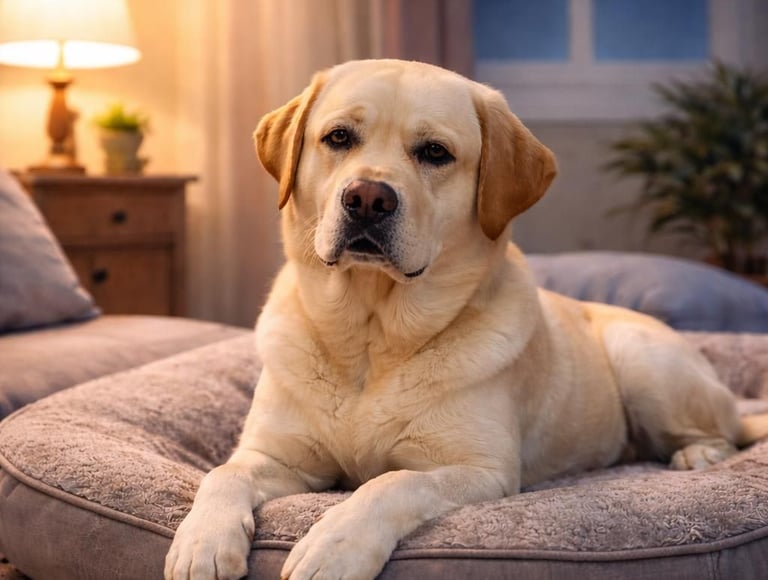
Why Is My Dog Panting at Night?
Watching your dog’s overall behavior helps identify whether the cause is mild or needs attention.
Common Causes of Night Panting
1. Room Temperature Is Too Warm
Dogs often pant to cool their bodies, especially if the sleeping area is warm or poorly ventilated.
2. Stress or Anxiety
Some dogs pant more during the night if they feel nervous, hear unusual sounds, or experience separation stress.
3. Recent Activity Before Sleep
Heavy play or exercise close to bedtime may keep breathing elevated longer.
4. Mild Discomfort
Uncomfortable sleeping position, stomach upset, or minor irritation can trigger panting.
Helpful article
Health-Related Causes to Watch
Sometimes nighttime panting may appear with:
pain
digestive discomfort
breathing difficulty
restlessness
Warning Signs That Need Attention
Watch carefully if panting happens with:
pacing
drooling
weakness
coughing
refusal to sleep
Simple Home Solutions
Keep the Sleeping Area Cool
Use airflow and fresh air when possible.
Offer Water Before Bed
Hydration helps body temperature control.
Reduce Evening Stress
Keep bedtime calm and quiet.
Avoid Heavy Exercise Late at Night
Allow rest before sleep.
Helpful Products for Your pet
Useful products:
cooling pet mat
soft calming bed
water bowl
quiet sleeping blanket
When Veterinary Advice Is Important
Seek professional advice if:
panting becomes frequent every night
breathing looks difficult
appetite changes
unusual behavior appears
Prevention Tips
regular sleep routine
cool sleeping space
evening calm time
monitor breathing patterns
Final Thoughts
When asking Why Is My Dog Panting at Night, simple causes like warmth or stress are common, but repeated panting should always be observed carefully.