Why Is My Cat’s Nose Dry? Common Causes, Myths, and Health Tips | Healthy Paws Care
Wondering why your cat’s nose is dry? Learn common causes, health signs to watch, and tips for keeping your cat healthy and happy.
WHY IS MY CAT’S NOSE DRY
4/7/20262 min read
Why Is My Cat’s Nose Dry?
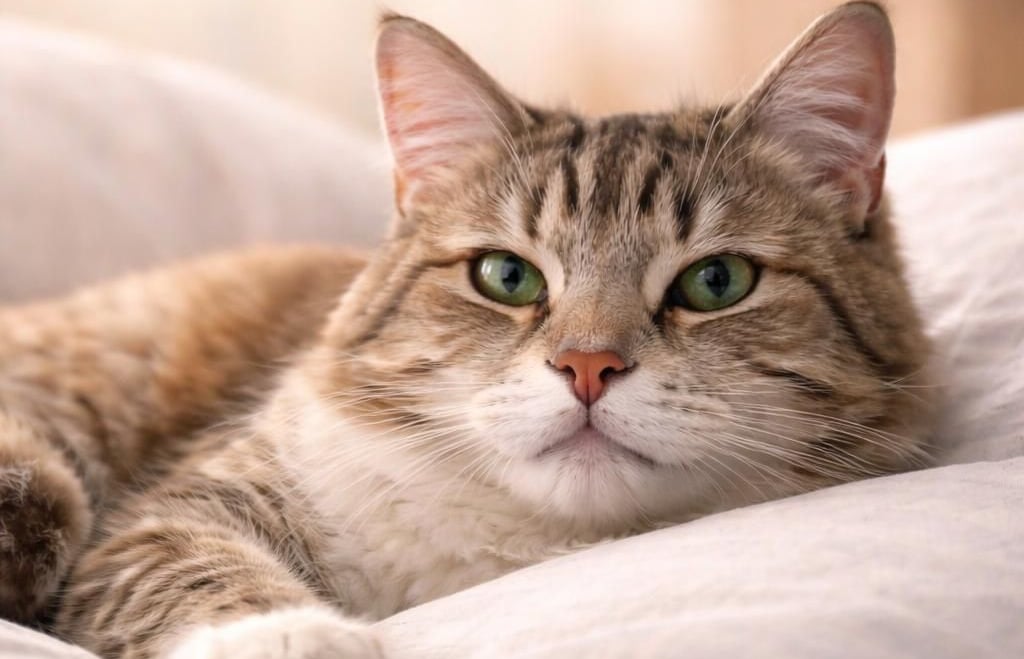
Many cat owners notice that their domestic cat sometimes has a dry nose and worry that it may signal illness. While cats’ noses are often moist, a dry nose is not always a cause for concern.
Understanding when a dry nose is normal and when it may indicate a problem is essential for your cat’s health. Cats’ noses can change throughout the day depending on activity, environment, and hydration.
Common Causes of a Dry Cat Nose
1. Natural Dryness
A cat’s nose may naturally become dry when:
sleeping
exposed to warm or dry air
after sun exposure
This is usually temporary and harmless.
2. Dehydration
A persistently dry, cracked nose may indicate your cat isn’t drinking enough water. Check for other signs:
lethargy
decreased appetite
sunken eyes
3. Environmental Factors
Heaters, air conditioners, and dry climates can reduce moisture in a cat’s nose. A short period of dryness is usually normal.
4. Fever or Illness
If a cat’s dry nose is accompanied by:
loss of appetite
sneezing or coughing
lethargy
discharge from eyes or nose
then a veterinary check is recommended.
5. Allergies or Skin Issues
Dryness, flaking, or crusting on the nose may indicate:
allergies
fungal infection
dermatitis
Myths About Cat Nose Moisture
Myth 1: A dry nose always means sickness.
Reality: Nose moisture fluctuates naturally and doesn’t always indicate illness.
Myth 2: A wet nose is always healthy.
Reality: Some cats naturally have drier noses without any health issues.
Myth 3: You should always wet a cat’s nose.
Reality: Avoid forcing moisture; it rarely helps. Focus on hydration and comfort.
How Cat Nose Moisture Relates to Body Language
Cat body language provides clues about health and mood:
Playful Cats: Dry noses during active play are normal.
Relaxed Sleeping Cats: A dry nose after a nap is harmless.
Stress or Anxiety: Cats under stress may have a temporarily dry nose along with purring, hiding, or tail flicking.
Signs a Dry Nose Could Signal Health Issues
Seek veterinary attention if you notice:
persistent dryness with cracks or bleeding
pale or unusually colored nose
combined symptoms like vomiting, diarrhea, or weight loss
constant sneezing, coughing, or discharge
Safe Tips to Keep Your Cat Comfortable
Ensure fresh water is always available
Use a humidifier in dry indoor environments
Avoid direct heat on sleeping areas
Monitor appetite, activity, and behavior
Regular vet check-ups
Products That Can Help
water fountains for cats
humidifiers for dry rooms
soft bedding
gentle cat-safe moisturizers for minor dryness (only vet-approved)
Final Thoughts
So, Why Is My Cat’s Nose Dry? In most cases, it’s natural and harmless. Dry noses often result from environmental factors, activity, or sleeping habits. Only consider it a concern if accompanied by other symptoms or persistent dryness. Observing your cat’s behavior and providing hydration and comfort is key to keeping them healthy.
Frequently Asked Questions (FAQ) 🐾
Is it normal for a cat’s nose to be dry sometimes?
Yes, temporary dryness is common and usually harmless.
Can I put lotion on my cat’s nose?
Only use vet-approved cat moisturizers if recommended; most times, hydration is enough.
Why does my cat’s nose change between wet and dry?
Cats’ noses naturally fluctuate depending on sleep, activity, and environment.
When should I worry about a dry cat nose?
Persistent dryness with cracks, color changes, or other symptoms requires a veterinary check.
Can dehydration cause a dry nose?
Yes, dehydration is a common cause. Always ensure your cat drinks enough water.