Why Does My Cat Lick Me Then Bite Me? 7 Real Reasons & Easy Fixes
Why does your cat lick then bite you? Discover 7 real reasons behind this behavior and simple fixes to stop unwanted biting safely.
WHY DOES MY CAT BITE THEN LICK ME
4/9/202615 min read
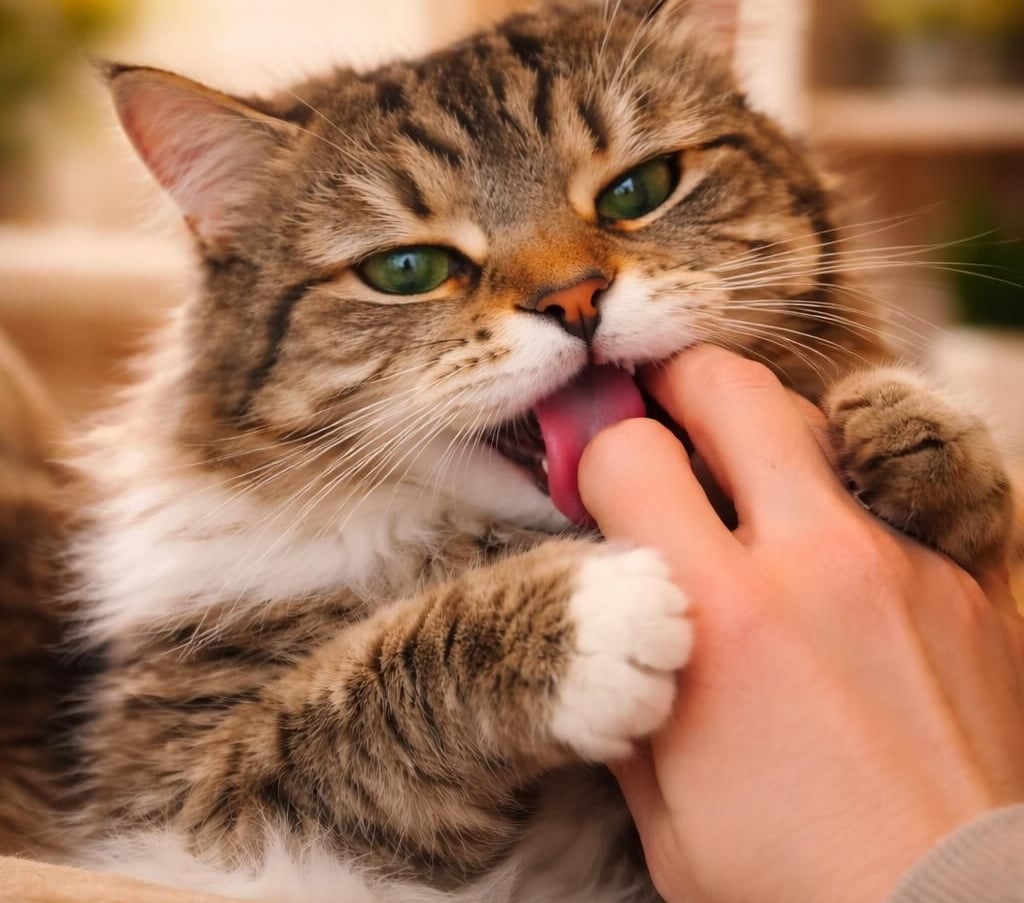
Why Does My Cat Lick Me Then Bite Me 7 Real Reasons Fixes
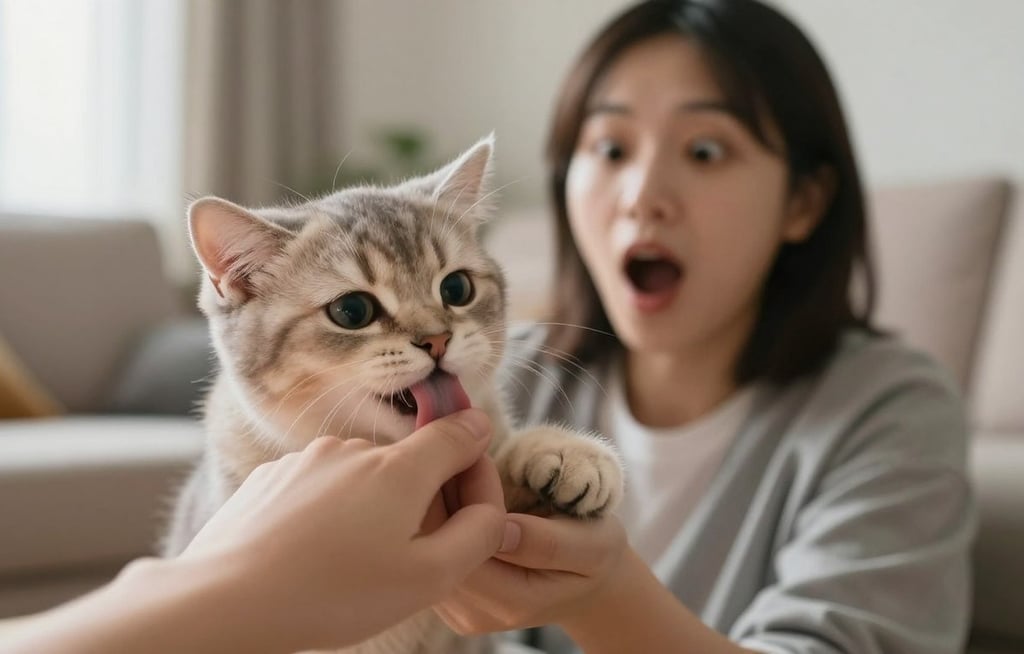
Have you ever been relaxing with your feline friend when the mood shifts in an instant? You are enjoying a quiet moment of affection, but suddenly, the experience turns painful. Many owners find themselves asking, why does my cat lick me then bite me suddenly during these intimate sessions.
This confusing behavior is quite common among domestic pets. It often leaves people feeling startled and unsure how to react to their companion's changing temperament. Understanding the motivation behind this switch is the first step toward building a better bond.
In this guide, we explore the underlying triggers for this aggressive shift. You will discover seven distinct explanations for this conduct and learn simple, effective strategies to keep your interactions safe and enjoyable for everyone involved.
Key Takeaways
Sudden biting after grooming is often a sign of overstimulation.
Felines use these nips to communicate boundaries during play.
Recognizing subtle body language helps prevent unwanted nips.
Consistent training reinforces positive social habits.
Consulting a veterinarian can rule out underlying health issues.
Understanding the Phenomenon: Why Does My Cat Lick Me Then Bite Me? (7 Real Reasons + Easy Fixes)
If you have ever asked yourself why does my cat lick me then bite me suddenly, you are certainly not alone. This confusing behavior is a common experience for many pet owners who simply want to bond with their feline companions. While it may feel like a betrayal of trust, this shift is usually a normal part of how cats communicate their needs.
To decode this behavior, we must look at common cat affection signs. Grooming is a primary way cats show love and build social bonds within their family group. However, these moments of tenderness can quickly reach a threshold where the cat feels overwhelmed or overstimulated.
When you wonder why does my cat bite me after licking, consider that your pet is likely trying to set a boundary. The transition from a calm, rhythmic lick to a sharp nip often serves as a signal that the interaction has lasted long enough. By paying close attention to your cat's body language, you can learn to identify these subtle shifts before they escalate.
There are seven primary reasons why this behavior occurs, ranging from sensory overload to simple playfulness. Understanding these triggers allows you to implement easy fixes that keep both you and your cat happy. Here are the core factors we will explore:
Overstimulation: When the cat reaches their sensory limit.
Social Grooming: Using nips to establish personal space.
Predatory Instincts: The transition from grooming to hunting games.
Attention-Seeking: Biting to get a reaction from you.
Physical Discomfort: Underlying health issues or pain.
Environmental Stress: How anxiety affects your cat's mood.
Learned Behavior: Unintentionally reinforcing the biting habit.
By mastering these concepts, you can transform your interactions into a more positive experience. Patience and observation are your best tools for building a stronger, more peaceful relationship with your pet.
The Science of Feline Affection and Communication
When you wonder why a cat licks then bites, you are actually exploring the depths of animal instinct. These actions are not random; they are rooted in biological needs and social history. By looking at cat behavior explained through a scientific lens, we can better appreciate the complex ways our pets interact with us.
Decoding Feline Body Language
Feline body language is a sophisticated system of silent signals. Cats use their ears, tails, and whiskers to express their current emotional state. When you observe a cat licking then biting meaning, you are witnessing a shift in these signals.
It is vital to pay attention to the subtle changes in posture that occur during these interactions. A relaxed tail might suddenly twitch, or ears might flatten slightly before a nip occurs. Learning to read these cues helps you understand exactly what your pet is trying to communicate.
The Role of Grooming in Cat Social Structures
In the wild, grooming is a primary tool for building social bonds. It is a way for cats to establish trust and maintain group cohesion. When your cat grooms you, they are essentially treating you as a member of their inner circle.
However, this social grooming often comes with strict boundaries. If a cat feels that the interaction has lasted too long, they may use a nip to signal that they need space. Understanding this dynamic is key to knowing why a cat licks then bites what does it mean in the context of your relationship.
Reason One: Overstimulation and Sensory Overload
Many pet owners often ask, "why does my cat lick then bite me hard?" The answer frequently lies in the concept of overstimulation in cats. While your feline companion may start with gentle, affectionate grooming, their nervous system can quickly become overwhelmed by constant touch.
When a cat reaches its sensory threshold, the pleasant sensation of being petted transforms into something irritating or even painful. This sudden shift is not an act of malice, but rather a physiological reaction to being touched for too long in one sitting.
Recognizing the Signs of a Cat Reaching Its Limit
To prevent a painful nip, you must learn to read feline body language before the situation escalates. Cats are masters of subtle communication, and they almost always provide warnings before they resort to biting.
Watch for a twitching tail or ears that begin to rotate backward. You might also notice their skin rippling along the back or their pupils dilating suddenly. If you see these subtle cues, it is time to stop petting immediately and give your cat some space.
Why Licking Turns to Biting When Touched Too Much
Understanding why does my cat bite me after licking is essential for maintaining a healthy bond. Licking is a social behavior, but it can quickly trigger a predatory or defensive response if the cat feels trapped by your touch.
When you continue to pet a cat that has already reached its limit, the biting serves as a clear boundary-setting mechanism. By respecting these limits, you help your cat feel safe and secure, which ultimately reduces the frequency of these sudden, unwanted outbursts.
Reason Two: Social Grooming and Boundary Setting
If you have ever asked yourself why does my cat lick then bite me hard, you are likely witnessing a natural social interaction. While it may feel confusing, this behavior is often a way for your pet to manage their environment. Cats rely on specific physical cues to express their comfort levels during interactions.
The Difference Between Affectionate Licking and Corrective Biting
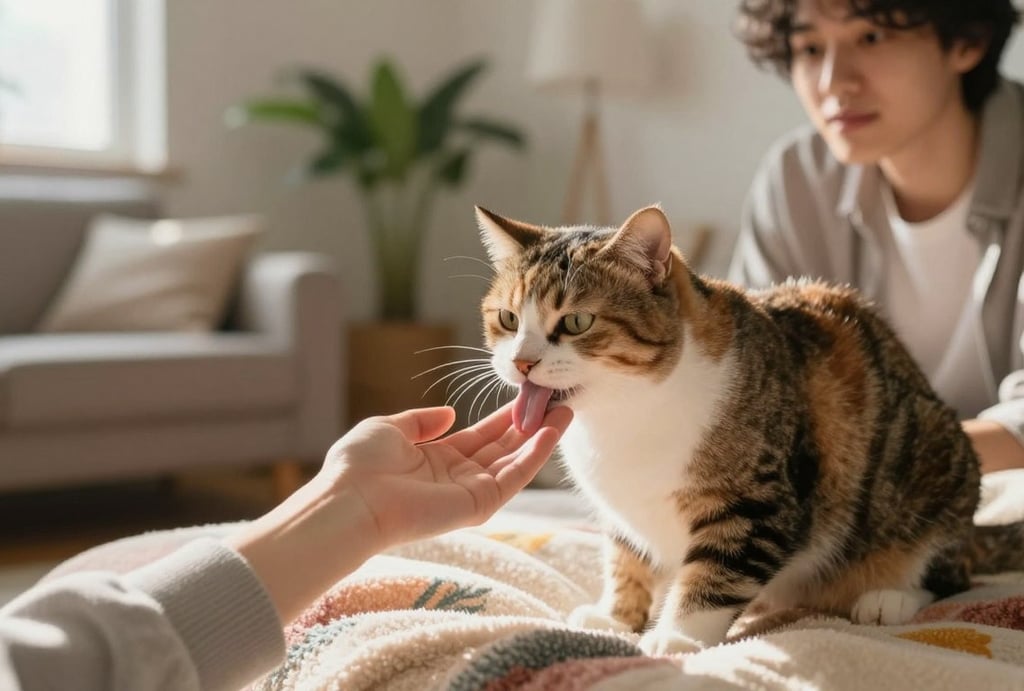
Affectionate licking is a common cat grooming behavior that mimics the way cats bond with their littermates. When a cat licks your hand, they are often showing trust and social acceptance. However, the mood can shift quickly if the cat feels the interaction has lasted too long.
Corrective biting is distinct from playful nips because it serves as a clear signal to stop. You might notice your cat's ears flatten or their tail begin to twitch right before this transition occurs. Recognizing these subtle shifts helps you understand the cat love bites meaning and prevents unwanted nips.
How Cats Use Nips to Establish Personal Space
Cats are highly sensitive creatures that value their autonomy. When they feel their personal space is being encroached upon, they use gentle nips to set a firm boundary. This is not an act of aggression, but rather a non-verbal communication tool used to regain control.
By respecting these boundaries, you can foster a healthier relationship with your pet. If your cat begins to nip, it is usually a sign that they need a moment of solitude. Learning to read these signals allows you to step back before the interaction escalates into a more intense bite.
Reason Three: Playfulness and Predatory Instincts
Your cat’s sudden shift from gentle licks to sharp nips often stems from deep-seated hunting instincts. Many owners frequently ask, why does my kitten lick then bite me during what seems like a peaceful moment? The answer often lies in the fact that your cat is simply transitioning from a social activity to a predatory one.
The Transition from Grooming to Hunting Games
In the wild, cats practice their hunting skills through play with their littermates. When your cat grooms you, they may become overly excited by the movement of your skin or the scent of your hands. This excitement can trigger a sudden urge to pounce, turning a grooming session into a mock hunting game.
Younger cats are particularly prone to this behavior because they are still learning to regulate their energy levels. What starts as a display of affection can quickly escalate into a game of "catch the prey." Recognizing this shift is the first step in managing your pet's behavior effectively.
Redirecting Predatory Energy Toward Toys
If you notice your cat’s pupils dilating or their tail beginning to twitch, it is time to intervene. You should never use your hands or feet as toys, as this teaches your cat that human skin is acceptable prey. Instead, keep a small toy nearby to redirect their attention immediately.
By tossing a wand toy or a plush mouse, you allow your cat to satisfy their natural hunting drive in a safe way. Understanding the cat love bites meaning is essential for building a healthy bond. When you provide an appropriate outlet for their energy, you protect your skin while still allowing your cat to express their playful, predatory nature.
Reason Four: Attention-Seeking Behavior
If you have ever wondered why does my kitten lick then bite me, the answer might be a simple plea for your undivided attention. Cats are highly intelligent creatures that quickly learn which actions trigger a response from their human companions. When a cat feels ignored or bored, they may resort to physical interaction to break the silence.
Why Your Cat Bites to Get a Reaction
Many owners inadvertently teach their pets that biting is an effective communication tool. When your cat decides to bite, you likely react by pulling away, shouting, or looking directly at them. To a cat, this is a successful interaction because they have effectively captured your focus.
This behavior often manifests in specific ways during your daily routine:
Nipping at your ankles while you walk through the house.
Gently mouthing your fingers while you are busy on a laptop.
Biting your hand after a period of quiet grooming.
The Impact of Negative Reinforcement
It is common to assume that scolding a cat will stop the biting, but this often backfires. Even negative attention, such as a loud "no" or a stern look, serves as a form of reinforcement for an attention-starved pet. If you ask yourself why does my cat lick then bite my hand, consider whether you are providing enough engagement before the biting starts.
When you react to the bite, you are essentially rewarding the cat with the interaction they craved. To break this cycle, it is vital to ignore the behavior entirely or redirect the cat to a toy before the bite occurs. By removing the reward of your attention, you teach your cat that biting is not the right way to ask for play or affection.
Reason Five: Pain or Underlying Health Issues
If your cat suddenly shifts from gentle grooming to sharp biting, they might be trying to communicate that they are in pain. While many owners look for behavioral explanations, the cat licking then biting meaning can sometimes be rooted in physical distress. It is essential to observe if this reaction is a new development in your pet's routine.
When Biting Indicates Physical Discomfort
Cats are masters at hiding their pain, often masking symptoms until they become severe. When a cat is suffering from an internal injury or chronic condition, even a light touch can trigger a defensive reaction. Sudden aggression during what should be a bonding moment is often a clear signal that something is wrong.
"The most important thing a pet owner can do is recognize that behavior is often a language. When a cat bites, they are telling you that their boundaries have been crossed, and sometimes, those boundaries are physical."
— Veterinary Behaviorist
Identifying Signs of Dental Pain or Skin Sensitivity
Changes in cat grooming behavior can provide clues about where the pain originates. If your cat has dental issues, they may avoid grooming certain areas or bite when you touch their face or neck. Look for signs such as persistent bad breath, excessive drooling, or a reluctance to eat hard food.
Skin sensitivity is another common culprit that turns a loving session into a painful experience. If your cat has allergies, fleas, or dry skin, the friction of grooming can cause intense irritation. Always consult your veterinarian if you notice these changes, as professional diagnosis is the only way to ensure your cat receives the proper care they need.
Reason Six: Anxiety and Environmental Stressors
Sometimes, a cat’s sudden shift from purring to biting is a direct result of hidden anxiety. While we often view our pets as stoic, they are highly sensitive creatures that react strongly to changes in their surroundings.
When a cat feels unsafe or overwhelmed, their threshold for interaction drops significantly. This state of high alert can lead to defensive biting, even during what appears to be a calm grooming session.
How Stress Affects Feline Temperament
Chronic stress changes the way a cat processes touch and social interaction. When a feline is constantly on edge, they may suffer from overstimulation in cats, where even a gentle stroke feels like an intrusion.
This heightened sensitivity means that a cat who usually enjoys affection might suddenly lash out. Their nervous system is already taxed, leaving them with little patience for physical contact.
Creating a Calming Environment for Your Pet
To help your companion feel secure, you must evaluate their living space for potential stressors. A stable environment is the foundation of healthy cat behavior explained through the lens of emotional security.
Consider these practical steps to reduce anxiety and prevent defensive reactions:
Provide vertical space: Cats feel safer when they can observe their territory from a high vantage point.
Maintain a routine: Consistent feeding and play times help reduce uncertainty in your pet's daily life.
Use pheromone diffusers: Products that mimic natural feline calming scents can significantly lower stress levels.
Create quiet zones: Ensure your cat has a dedicated, low-traffic area where they can retreat when they feel overwhelmed.
By minimizing environmental triggers, you allow your cat to relax and regain their sense of safety. A calm cat is far less likely to resort to biting as a way to communicate their discomfort.
Reason Seven: Learned Behavior and Human Reinforcement
If you have ever wondered why does my cat lick then bite my hand, the answer might lie in your own past reactions. Often, we inadvertently teach our pets that biting is an acceptable way to end an interaction or start a game. When a cat realizes that a nip gets a big reaction from their owner, they are likely to repeat that action in the future.
Unintentionally Encouraging Biting Through Play
Many owners use their hands as toys during play sessions without realizing the long-term consequences. While it might seem cute when a kitten gently paws at your fingers, this teaches the cat that human skin is a valid target for their predatory instincts. Over time, this behavior escalates from soft mouthing to painful biting as the cat matures.
Furthermore, reacting with loud noises or sudden movements can turn a calm moment into an exciting game. If you pull your hand away quickly, your cat may interpret this as a signal to chase and pounce. This unintentional reinforcement turns a simple grooming session into a high-energy hunt.
Breaking the Cycle of Reward-Based Biting
To stop this cycle, you must become consistent with your boundaries. If your cat begins to bite, immediately stop all movement and become as boring as possible. By removing the "reward" of your attention or movement, you show your pet that biting does not lead to a fun outcome.
It is also helpful to redirect your cat toward appropriate toys whenever they show signs of wanting to play. Recognizing cat affection signs, such as purring or slow blinking, is important, but you must learn to step back before the mood shifts. Consistency is the most powerful tool you have to change your cat's behavior for the better.
Practical Strategies to Stop Unwanted Biting
Learning how to stop cat from licking and biting is a vital skill for every pet owner who wants a harmonious home. By observing your cat's subtle cues, you can intervene before a grooming session turns into a painful nip. Consistency and patience remain your best tools for success.
Implementing Positive Reinforcement Techniques
Positive reinforcement is the most effective way to encourage calm behavior. When your cat remains gentle during a petting session, offer a small treat or verbal praise. This positive association helps them understand that staying relaxed leads to rewards.
Avoid punishing your cat for biting, as this often increases their stress levels. Instead, focus on rewarding the moments where they choose to interact without using their teeth. Consistency is key to helping your pet learn new habits.
Using Distraction Methods During Grooming Sessions
If you notice your cat becoming restless, try using a distraction to shift their focus. Keep a small toy or a puzzle feeder nearby during your bonding time. When the licking becomes intense, gently redirect their attention to the toy.
This method prevents the transition from affection to aggression. By providing an appropriate outlet for their energy, you effectively learn how to stop cat from licking and biting. Always keep a variety of safe toys within reach to maintain their interest.
Knowing When to Walk Away
Sometimes, the best strategy is to simply remove yourself from the situation. If your cat shows signs of overstimulation, such as a twitching tail or flattened ears, stop the interaction immediately. Walking away allows your cat to de-escalate and regain their composure.
Do not feel guilty about ending a session early. Giving your cat space is a sign of respect for their boundaries. Over time, this practice will help your cat feel more secure and less likely to resort to biting as a way to communicate their needs.
Conclusion
Understanding why your cat licks then bites what does it mean requires patience and close observation of your pet. Every cat communicates through unique signals that reflect their current mood and comfort level.
You can improve your daily interactions by respecting these subtle boundaries. Learning how to stop cat from licking and biting involves consistent redirection and calm responses during your play sessions.
Brands like Jackson Galaxy offer excellent tools to help manage feline energy levels effectively. Using interactive toys keeps your cat engaged without relying on your hands as targets.
A peaceful home environment supports better behavior and reduces stress for your companion. Focus on positive reinforcement to build trust and deepen the connection you share with your cat.
Your commitment to learning these feline cues creates a happier life for both of you. Observe your pet closely to ensure every interaction remains a rewarding experience.
FAQ
Why does my cat lick me then bite me suddenly?
This behavior is most commonly attributed to overstimulation in cats. While the initial licking is one of the many cat affection signs, the repetitive sensation can become overwhelming for their nervous system. When a cat reaches their sensory limit, they may deliver a quick bite as a way to signal that they need the interaction to stop immediately. Paying close attention to feline body language, such as a twitching tail or flattened ears, can help you anticipate this shift.
Why does my cat lick then bite me hard?
If your cat is biting with significant force, it may be a sign of boundary setting or intense frustration. Cat behavior explained by experts like those at Jackson Galaxy’s practice suggests that "petting-induced aggression" occurs when a cat's "arousal bucket" overflows. A hard bite is a clear, albeit painful, communication that your cat's personal space has been encroached upon or that they are experiencing physical discomfort, such as skin sensitivity or joint pain.
Cat licks then bites—what does it mean in terms of communication?
The cat licking then biting meaning is often rooted in social grooming. In the wild, cats groom each other to bond, but these sessions often end with a play-bite or a nip to signal the end of the session. In a domestic setting, your cat is treating you like a fellow feline, using a mix of grooming and nips to communicate their social status or to transition from a calm state into a more active, predatory play state.
Why does my kitten lick then bite me during playtime?
Why does my kitten lick then bite me usually comes down to a lack of "bite inhibition." Kittens are still learning the social rules of play and often treat human hands like littermates. They may start with affectionate licking but quickly transition to biting as their predatory instincts kick in. To manage this, redirect their energy toward appropriate toys from brands like KONG or PetSafe to teach them that skin is not a plaything.
How to stop cat from licking and biting my hands?
To learn how to stop cat from licking and biting, consistency is key. When your cat begins to bite, immediately withdraw your hand and stop all interaction; this teaches them that biting results in the end of the "reward" (your attention). Avoid using your hands as toys, and instead, use wand toys to keep a distance. You can also utilize calming aids like a Feliway diffuser to reduce the environmental stress that often leads to reactive biting.
Why does my cat bite me after licking my arm or hand?
Why does my cat lick then bite my hand specifically? Hands are the most common point of contact, and cats often associate them with both grooming and food. Your cat may be attempting to "clean" you, but if they encounter a scent they don't like or if the movement of your hand triggers their hunting drive, they may bite. This is also a primary way cats establish personal space when they feel they cannot easily move away from the interaction.
What is the meaning behind cat love bites?
Cat love bites meaning typically refers to gentle, controlled nips that do not break the skin. These are considered remnants of kittenhood behavior where the mother cat nips her young to groom or redirect them. While these are technically cat affection signs, they can escalate into more aggressive biting if the cat becomes over-excited or if the human inadvertently reinforces the behavior by laughing or continuing to pet the cat during the nip.
Is it normal for my cat to lick me then bite me suddenly if they are usually calm?
Yes, even the calmest cats can experience a sudden shift in temperament due to sensory overload. This is known as the "arousal phase" of cat grooming behavior. If this is a new or increasingly frequent behavior, it is wise to consult a veterinarian at a clinic like VCA Animal Hospitals to rule out underlying health issues, such as dental disease or feline hyperesthesia syndrome,.