What Human Foods Are Safe for Dogs? Healthy Treats & Safety Tips | Healthy Paws Care
Discover which human foods are safe for dogs, how to feed them responsibly, and tips to avoid harmful foods while keeping your dog healthy and happy.
WHAT HUMAN FOODS ARE SAFE FOR DOGS
4/7/20262 min read
What Human Foods Are Safe for Dogs?
Many dog owners wonder if they can share their snacks or meals with their furry friends. While some human foods are safe and even beneficial for dogs, others can be toxic or harmful. Understanding which foods are safe, how much to give, and the proper way to feed them is essential for keeping your dog healthy.
Feeding dogs the right human foods in moderation can provide nutrients, improve hydration, and even strengthen the bond between you and your pet.
Common Safe Human Foods for Dogs
1. Fruits
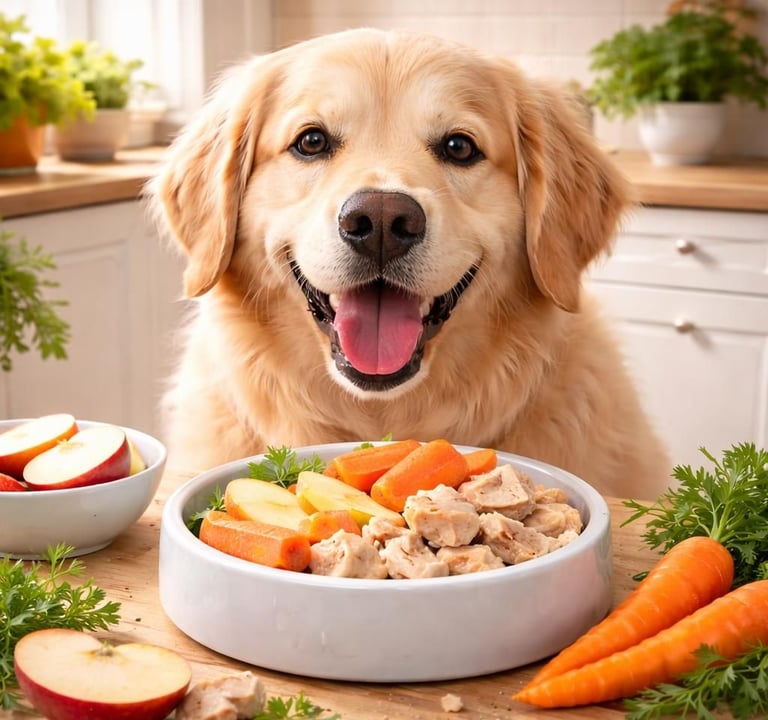
Fruits are packed with vitamins, antioxidants, and fiber. Safe options include:
Apples (without seeds)
Blueberries
Strawberries
Watermelon (seedless)
Bananas (in moderation)
Tip: Cut into small, bite-sized pieces to prevent choking.
2. Vegetables
Vegetables are low-calorie, nutrient-rich snacks. Safe vegetables:
Carrots
Cucumbers
Sweet potatoes (cooked)
Green beans
Peas
Tip: Lightly steam harder veggies to make them easier to digest.
3. Lean Proteins
Some cooked meats are safe for dogs:
Chicken (boneless, skinless)
Turkey (plain, cooked)
Beef (lean cuts)
Fish (salmon or sardines, fully cooked)
Avoid seasonings, sauces, and bones.
4. Dairy in Moderation
Some dogs can tolerate small amounts of dairy:
Plain yogurt
Cottage cheese
Tip: Avoid high-fat cheeses or milk if your dog is lactose intolerant.
5. Grains
Cooked grains can be a safe addition:
Rice (white or brown)
Oatmeal (plain)
Quinoa
Tip: Serve plain, without added sugar, salt, or seasonings.
Human Foods to Avoid for Dogs
Certain human foods are toxic to dogs and must be avoided:
Chocolate
Grapes and raisins
Onions and garlic
Avocado (high in persin)
Caffeine
Alcohol
Macadamia nuts
Even small amounts can cause serious illness. Always double-check before sharing food.
How to Feed Human Foods Safely
Moderation is Key: Treats should not exceed 10% of your dog’s daily calories.
Cut into Small Pieces: Prevents choking, especially for small breeds.
Introduce Slowly: Watch for allergies or digestive issues.
Avoid Seasonings: Salt, sugar, oils, and spices can upset a dog’s stomach.
Use as Training Treats: Human foods can motivate dogs during training sessions.
Benefits of Feeding Safe Human Foods
Adds variety to your dog’s diet
Provides vitamins and nutrients
Encourages healthy snacking
Strengthens the bond between owner and dog
Signs to Watch After Feeding Human Foods
Vomiting or diarrhea
Lethargy
Itching or hives
Loss of appetite
If any of these occur, consult your veterinarian immediately.
Products That Can Help
Portion control cups
Treat-dispensing toys
Dog-safe cookbooks for homemade treats
Measuring spoons for safe portions
Final Thoughts
Knowing What Human Foods Are Safe for Dogs allows you to share healthy treats without risking your dog’s health. Always introduce new foods gradually, avoid toxic ingredients, and monitor your dog for any unusual reactions. With care, feeding safe human foods can be a fun and healthy addition to your dog’s routine.
Frequently Asked Questions (FAQ) 🐾
Can dogs eat chocolate in small amounts?
No. Chocolate is toxic to dogs and should never be given.
Are bananas safe for dogs?
Yes, in moderation. They provide potassium and fiber.
Can I give my dog cheese?
Small amounts of plain cheese are usually safe. Avoid high-fat or spicy cheeses.
Is peanut butter safe for dogs?
Yes, choose unsalted and xylitol-free peanut butter.
Can dogs eat cooked rice?
Yes, plain cooked rice is safe and easy to digest.