Kennel Cough Symptoms in Dogs: Early Signs, Causes & When to Worry
Learn the early symptoms of kennel cough in dogs, how it spreads, and when to seek care to protect your dog’s health and prevent complications.
KENNEL COUGH SYMPTOMS IN DOGS
4/20/202612 min read
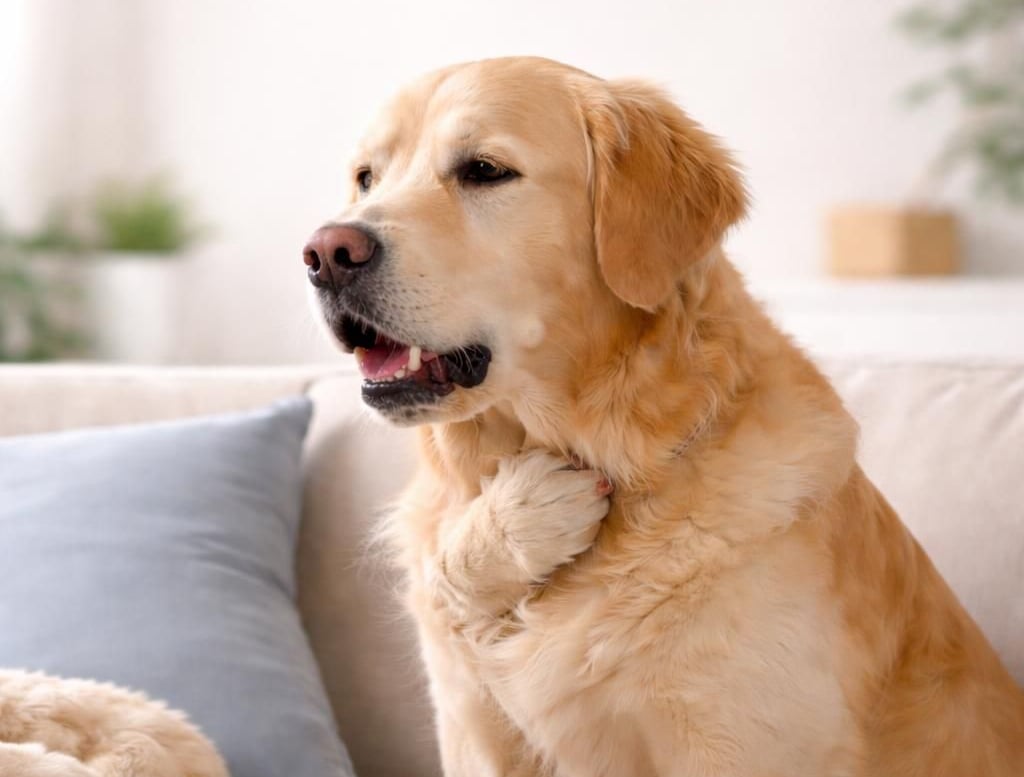
Kennel Cough in Dogs: Symptoms, Causes, and Fast Treatment Guide (2026).
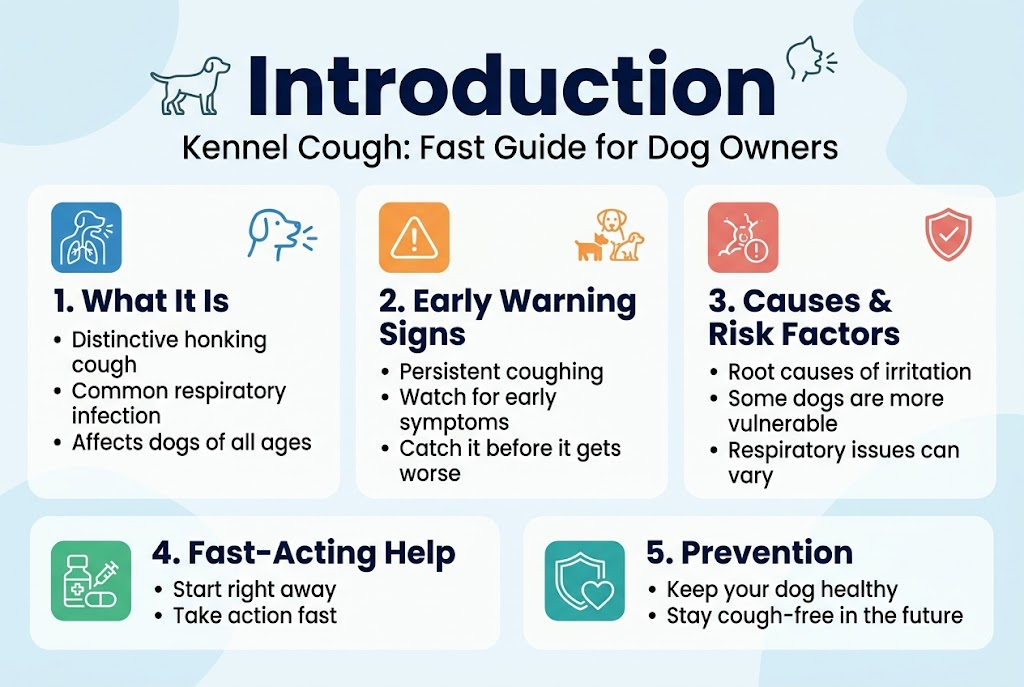
When your dog starts making that distinctive honking cough, you're likely dealing with kennel cough—a common but concerning respiratory infection that affects dogs of all ages. This guide is designed for dog owners who want to quickly identify symptoms, understand what's causing their pet's discomfort, and take action fast.
Your dog's persistent cough doesn't have to turn into a long-term problem. We'll walk you through recognizing the early warning signs that separate kennel cough from other respiratory issues, so you can catch it before it gets worse. You'll also discover the root causes and risk factors that make some dogs more vulnerable than others.
Most importantly, we'll cover fast-acting treatment solutions you can start right away, plus proven prevention strategies to keep your dog healthy and cough-free in the future.
“If your dog shows weakness along with coughing, read our guide on Why Is My Dog Not Eating and Acting Weak? Serious Illness Signs.”
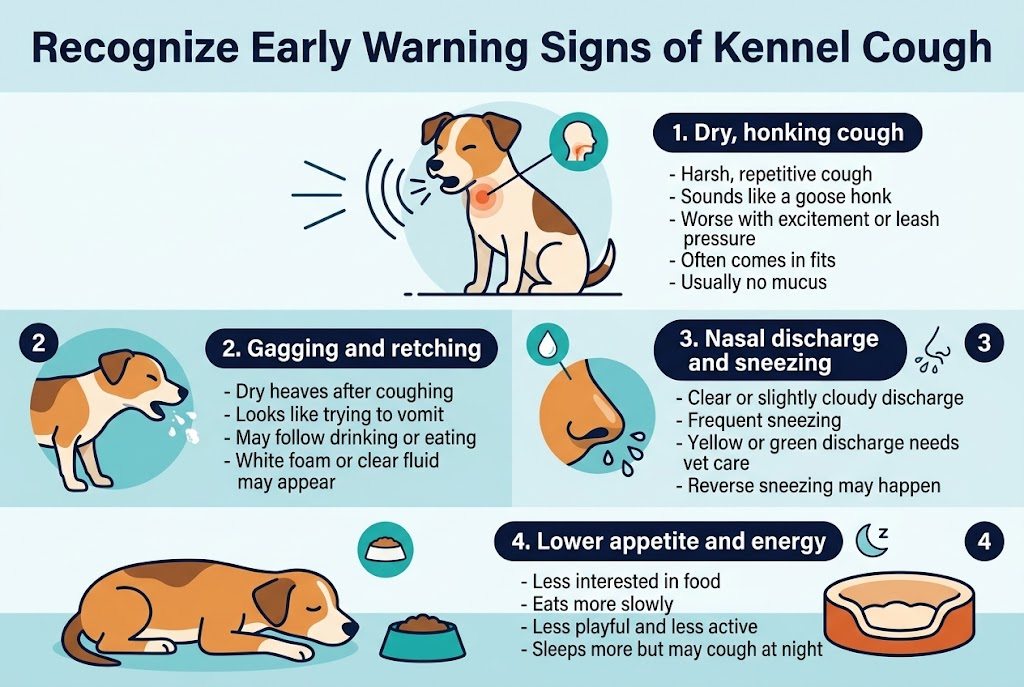
Recognize Early Warning Signs of Kennel Cough
Identify the distinctive dry hacking cough
The telltale sign of kennel cough is an unmistakable dry, honking cough that sounds like your dog has something stuck in their throat. This isn't your typical wet cough - it's harsh, repetitive, and often comes in fits that can last several seconds. Many pet owners describe it as sounding like a goose honking or someone trying to clear their throat aggressively.
You'll notice this cough gets worse when your dog gets excited, pulls on their leash, or after physical activity. The tracheal irritation behind kennel cough makes any pressure on the neck area trigger coughing episodes. Even gentle collar pressure during walks can set off a coughing fit that sounds alarming but typically doesn't cause lasting harm.
The cough often happens in clusters throughout the day and night. Your dog might wake up from sleep with a sudden coughing spell, or you might hear them coughing while they're resting quietly. Unlike other respiratory issues, the dry hack of kennel cough rarely produces visible mucus or phlegm.
Spot gagging and retching behaviors
Dogs with kennel cough frequently exhibit gagging motions that look like they're trying to vomit but nothing comes up. These dry heaves often follow coughing episodes and can be just as concerning to watch as the cough itself. Your dog might extend their neck, open their mouth wide, and make retching sounds while their whole body contracts with the effort.
This gagging happens because the inflamed trachea and bronchial tubes create a sensation similar to having something lodged in the throat. Dogs instinctively try to clear what feels like an obstruction, leading to these dramatic retching displays. The behavior is particularly noticeable after your dog drinks water, eats, or gets excited.
Sometimes dogs will bring up small amounts of white foam or clear fluid during these episodes. This is normal and different from true vomiting - it's just accumulated saliva and respiratory secretions being expelled during the gagging process.
Monitor for nasal discharge and sneezing
While not every dog with kennel cough develops nasal symptoms, many will show clear or slightly cloudy discharge from their nose. This discharge starts thin and watery but can become thicker if secondary bacterial infections develop. Keep an eye out for any changes in color - yellow or green discharge suggests bacterial involvement and needs veterinary attention.
Sneezing often accompanies the nasal discharge as your dog's respiratory system tries to clear irritated passages. These sneezes might be frequent and forceful, sometimes occurring in rapid succession. Unlike allergic sneezing, kennel cough-related sneezing usually comes with other respiratory symptoms.
Some dogs also develop reverse sneezing episodes - rapid inward snorting sounds that can be startling to hear. This happens when the soft palate becomes irritated and temporarily gets pulled into the airway opening.
Watch for reduced appetite and energy levels
Dogs with kennel cough often show subtle changes in their eating habits and overall energy. While many dogs maintain their appetite, some become less interested in food, especially if their throat feels sore from constant coughing. You might notice your dog eating more slowly or seeming hesitant about their meals.
Energy levels typically drop as the body fights off the infection. Your normally playful dog might seem less enthusiastic about walks, games, or their usual activities. This lethargy isn't usually severe - most dogs with uncomplicated kennel cough remain relatively alert and responsive, just with noticeably less pep in their step.
Sleep patterns often change too. Dogs might rest more during the day but have interrupted sleep at night due to coughing fits. This combination of poor sleep and fighting infection naturally leads to decreased energy and enthusiasm for normal activities.
Understand Root Causes and Risk Factors
Learn About Viral Infections That Trigger Kennel Cough
The most common culprit behind kennel cough is parainfluenza virus, which attacks your dog's respiratory system and creates the perfect storm for that distinctive honking cough. This virus spreads like wildfire through airborne droplets when infected dogs bark, cough, or sneeze nearby.
Adenovirus type 2 also plays a major role in kennel cough outbreaks. This sneaky virus targets the upper respiratory tract and often teams up with other pathogens to create more severe symptoms. Dogs catch it the same way they pick up parainfluenza - through close contact with infected animals or contaminated surfaces.
Canine distemper virus represents the most serious viral cause, though thankfully vaccination has made it less common. When distemper triggers kennel cough, you're looking at a much more dangerous situation that can affect your dog's entire system.
Respiratory syncytial virus rounds out the main viral suspects. This one particularly loves attacking puppies and senior dogs with weaker immune systems. The virus spreads rapidly in crowded conditions where dogs share air space for extended periods.
Most viral infections create inflammation in the trachea and bronchi, making your dog's throat raw and sensitive. The damage from these viruses also opens the door for bacterial infections to move in and complicate recovery.
Discover Bacterial Causes and Secondary Infections
Bordetella bronchiseptica stands as the bacterial heavyweight champion of kennel cough. This highly contagious bacterium attaches itself directly to the cilia lining your dog's respiratory tract, causing intense irritation and that classic dry, hacking cough that sounds like your dog has something stuck in their throat.
Mycoplasma species create a different kind of trouble. These tiny bacteria lack cell walls, making them incredibly difficult for your dog's immune system to detect and eliminate. They cause persistent, lingering coughs that can drag on for weeks without proper treatment.
Secondary bacterial infections often crash the party after viruses have already weakened your dog's defenses. Streptococcus and Staphylococcus bacteria commonly invade damaged respiratory tissue, turning a simple viral cough into a more complex infection requiring antibiotic treatment.
The real danger comes when multiple bacterial strains team up. Mixed infections can create antibiotic-resistant superbugs that laugh at standard treatments. These combinations often produce thick, colored discharge from the nose and more severe breathing difficulties.
Bacterial kennel cough typically responds well to targeted antibiotics, but the key is identifying which specific bacteria you're fighting. Veterinarians often prescribe broad-spectrum antibiotics initially, then adjust treatment based on culture results if the infection persists.
Identify High-Risk Environments and Situations
Dog boarding facilities top the list of high-risk environments. The combination of stressed dogs, close quarters, and shared ventilation systems creates perfect conditions for kennel cough transmission. Even well-managed facilities with excellent hygiene protocols can experience outbreaks.
Grooming salons present another major risk zone. Dogs from different households mix in small spaces, often while feeling anxious about the grooming process. Stress weakens immune systems, making dogs more susceptible to picking up infections from contaminated grooming tables, tools, or even the air.
Dog parks might seem safer since they're outdoors, but crowded conditions during peak hours can still facilitate transmission. Water bowls, toys, and fence lines where dogs congregate become contamination hotspots.
Veterinary clinics ironically pose significant risks despite their medical focus. Sick dogs naturally visit these facilities, and waiting rooms can become transmission centers if proper isolation protocols aren't followed.
Travel stress significantly increases your dog's vulnerability to kennel cough. Moving between different environments, changes in routine, and exposure to new pathogens all conspire to weaken your dog's natural defenses.
Get Fast-Acting Treatment Solution
Implement immediate home care remedies
When your dog starts showing kennel cough symptoms, several home remedies can provide quick relief while their immune system fights the infection. Create a steam treatment by running hot water in your bathroom and sitting with your dog for 10-15 minutes. The humid air helps loosen mucus and soothes irritated airways, making breathing easier.
Honey works as a natural cough suppressant and has antimicrobial properties. Give small dogs half a teaspoon twice daily, medium dogs one teaspoon twice daily, and large dogs one tablespoon twice daily. Raw, unprocessed honey provides the best benefits.
Keep your dog's environment humid using a humidifier or placing bowls of water near heat sources. Dry air worsens coughing fits, so maintaining 40-50% humidity helps reduce throat irritation. Remove your dog's collar and switch to a harness to eliminate pressure on the trachea that triggers coughing episodes.
Encourage rest by creating a quiet, comfortable space away from other pets and household activity. Limit exercise to gentle walks until symptoms improve, as vigorous activity can worsen coughing and delay recovery.
Know when to seek veterinary intervention
While many kennel cough cases resolve with home care, certain warning signs require immediate veterinary attention. Contact your vet if your dog develops a fever above 103°F, stops eating for more than 24 hours, or shows signs of lethargy and depression.
Breathing difficulties, including rapid breathing, wheezing, or blue-tinged gums, indicate serious complications that need emergency treatment. If your dog's cough produces blood or thick, colored discharge, this suggests secondary bacterial infection requiring antibiotics.
Puppies under four months old, senior dogs over seven years, and dogs with compromised immune systems need professional evaluation within 48 hours of symptom onset. These vulnerable populations face higher risks of pneumonia and other serious complications.
Watch for persistent coughing that doesn't improve after five days of home treatment. If symptoms worsen or new signs appear, such as vomiting, difficulty swallowing, or extreme weakness, schedule an immediate veterinary visit.
Understand prescription medication options
Veterinarians typically prescribe cough suppressants like dextromethorphan or butorphanol to reduce persistent coughing that interferes with sleep and eating. These medications don't cure kennel cough but provide comfort during recovery.
Antibiotics become necessary when bacterial infections complicate viral kennel cough. Common prescriptions include doxycycline, azithromycin, or amoxicillin-clavulanate. Complete the full antibiotic course even if symptoms improve to prevent bacterial resistance.
Anti-inflammatory medications like prednisolone may be prescribed for severe cases with significant airway inflammation. These corticosteroids reduce swelling and irritation but require careful dosing and monitoring for side effects.
Bronchodilators help dogs with severe breathing difficulties by opening constricted airways. Your vet might prescribe these for dogs showing signs of respiratory distress or those with underlying conditions like asthma.
Support recovery with proper nutrition and rest
Proper nutrition speeds recovery by supporting your dog's immune system during the healing process. Offer easily digestible foods like boiled chicken and rice if your dog shows decreased appetite. Warm the food slightly to enhance its aroma and encourage eating.
Increase water intake by adding low-sodium chicken broth to your dog's regular water bowl. Proper hydration helps thin mucus secretions and supports the body's natural healing processes. Ice chips can soothe sore throats while providing additional fluids.
Supplement with immune-boosting nutrients like vitamin C and zinc, but consult your veterinarian about appropriate dosages. Probiotics help maintain gut health, especially if antibiotics are prescribed, supporting overall immune function.
Create an optimal recovery environment by maintaining consistent room temperature and minimizing stress. Keep your recovering dog separated from healthy pets to prevent disease spread and reduce competition for resources. Provide extra soft bedding and ensure easy access to food and water.
Monitor your dog's weight during recovery, as decreased appetite can lead to weight loss. If your dog refuses food for more than 48 hours, contact your veterinarian about appetite stimulants or alternative feeding strategies. Most dogs recover fully within 7-14 days with proper care and rest.
Prevent Future Kennel Cough
Maintain Up-to-Date Vaccination Schedules
Vaccination remains your strongest defense against kennel cough. The core kennel cough vaccine typically protects against Bordetella bronchiseptica, the most common bacterial culprit. Most veterinarians recommend annual boosters, but dogs with high exposure risks may need vaccinations every six months.
Different vaccine types offer varying protection levels. Injectable vaccines provide longer-lasting immunity but take longer to develop protection. Intranasal vaccines work faster, building immunity within 72 hours, making them ideal before boarding or grooming appointments. Oral vaccines offer a middle ground with good efficacy and easier administration.
Your vet will create a customized schedule based on your dog's lifestyle, age, and health status. Puppies typically start their series around 6-8 weeks, with boosters every 3-4 weeks until 16 weeks old. Adult dogs entering social environments for the first time need their initial series regardless of age.
Reduce Exposure in High-Risk Environments
Smart environmental management dramatically cuts kennel cough transmission. Boarding facilities, dog parks, grooming salons, and training classes create perfect breeding grounds for respiratory infections due to close contact and stress.
Research boarding facilities before booking. Quality establishments require current vaccinations, maintain proper ventilation systems, and limit group sizes. Ask about their cleaning protocols and whether they isolate new arrivals. Avoid facilities that pack too many dogs together or seem understaffed.
Timing matters when using shared spaces. Visit dog parks during off-peak hours when fewer dogs are present. Choose outdoor areas over indoor facilities when possible, as fresh air disperses airborne pathogens more effectively. Watch for early warning signs in other dogs – persistent coughing, nasal discharge, or lethargy should prompt an immediate exit.
Consider alternatives during peak transmission seasons. Private playdates replace crowded dog parks. Mobile groomers eliminate exposure risks compared to busy salons. Online training resources can supplement group classes when outbreaks occur in your area.
Boost Your Dog's Immune System Naturally
A robust immune system provides your best long-term protection strategy. Proper nutrition forms the foundation – high-quality proteins support antibody production while antioxidants from fruits and vegetables combat cellular damage. Omega-3 fatty acids from fish oil reduce inflammation and support respiratory health.
Exercise strengthens immune function but avoid overexertion, which temporarily weakens defenses. Regular walks and moderate play sessions keep your dog fit without compromising their ability to fight infections. Mental stimulation through puzzle toys and training reduces stress, another immune system suppressor.
Sleep quality directly impacts immune strength. Adult dogs need 12-14 hours daily, while puppies require even more. Create a comfortable sleeping environment away from household chaos. Consistent routines help regulate circadian rhythms and stress hormones.
Stress management plays a huge role in preventing illness. Gradual socialization builds confidence without overwhelming your dog's system. Calming supplements containing L-theanine, chamomile, or adaptogenic herbs can help anxious dogs cope with stressful situations that might otherwise compromise their immune defenses.
Regular health monitoring catches problems early. Weekly weight checks, daily appetite observations, and monthly dental examinations help identify issues before they become serious. Maintaining optimal body weight reduces strain on all body systems, including immune function
Recognize when kennel cough becomes serious
Most dogs recover from kennel cough without any major issues, but some cases can take a turn for the worse. Watch for these red flags that mean it's time to get your vet involved immediately:
Breathing difficulties are your biggest concern. If your dog starts struggling to breathe, making wheezing sounds when resting, or breathing with their mouth open constantly, don't wait. Pneumonia can develop quickly, especially in puppies, senior dogs, or those with compromised immune systems.
High fever signals that the infection might be spreading beyond just the respiratory tract. A dog's normal temperature ranges from 101-102.5°F, so anything above 103°F warrants immediate attention.
Loss of appetite lasting more than 48 hours combined with lethargy suggests your dog's body is fighting harder than it should. Dehydration follows quickly when dogs stop eating and drinking normally.
Blood in cough or vomit never happens with simple kennel cough. This symptom points to more serious complications that need professional treatment right away.
Worsening symptoms after 7-10 days mean the infection isn't responding to basic supportive care.
Monitor recovery progress effectively
Tracking your dog's improvement helps you spot problems early and gives you peace of mind during the healing process. Keep a simple daily log noting these key recovery markers:
Cough frequency and intensity should gradually decrease each day. Count how many coughing fits happen in an hour during your dog's most active periods. Healthy progress means fewer episodes with less violent coughing as days pass.
Energy levels return slowly but steadily. Your dog might sleep more than usual for the first few days, but appetite and playfulness should bounce back within 72 hours for uncomplicated cases.
Temperature checks twice daily help catch developing complications. Use a digital thermometer rectally for the most accurate reading. Record the numbers along with the time of day.
Eating and drinking habits tell you a lot about how your dog feels overall. Note how much food and water they consume compared to their normal amounts.
Determine when your dog can safely socialize again
The timing for returning to normal social activities depends on both your dog's recovery and protecting other pets in your community. Kennel cough spreads easily through airborne droplets, so being responsible about isolation prevents outbreaks.
Wait for complete symptom resolution before allowing contact with other dogs. Even mild, occasional coughing can still spread the infection. Your dog needs to go 48 hours without any coughing episodes before they're considered non-contagious.
Dog parks and boarding facilities typically require a minimum 14-day recovery period from the last symptom, regardless of how quickly your dog seems to feel better. Many facilities ask for a vet clearance letter before allowing re-entry.
Gradual reintroduction works best for dogs who've been isolated for over a week. Start with brief encounters with healthy, vaccinated dogs you know well. Watch for any return of symptoms, which could indicate your dog needs more recovery time.
Vaccination status affects comeback timing too. Dogs current on their Bordetella vaccine generally recover faster and become non-contagious sooner than unvaccinated pets.
Different venues have varying policies:
Grooming salons: Usually 10-14 days symptom-free
Training classes: Often require vet clearance
Doggy daycare: Typically 2-3 weeks post-recovery
Veterinary clinics: Will isolate during visits until cleared
Check with specific facilities about their individual requirements before scheduling appointments or visits.
Conclusion
Kennel cough doesn't have to be a scary experience for you or your furry friend. By spotting those early telltale signs like that distinctive honking cough and knowing what puts your dog at risk, you're already ahead of the game. The good news is that most cases clear up with proper treatment, whether that's rest and home care for mild cases or antibiotics for more serious infections.
The best defense is always a good offense when it comes to your dog's health. Keep up with vaccinations, avoid overcrowded dog areas during outbreaks, and don't hesitate to call your vet if that cough lingers or gets worse. Your dog depends on you to make the right call, and now you have the knowledge to do just that.