Dog Hair Loss: Causes Every Owner Should Know | Healthy Paws Care
Dog hair loss can happen for many reasons including allergies, parasites, infections, and poor nutrition. Learn causes, care tips, and warning signs.
DOG HAIR LOSS
3/21/20261 min read
Dog Hair Loss: Causes Every Owner Should Know
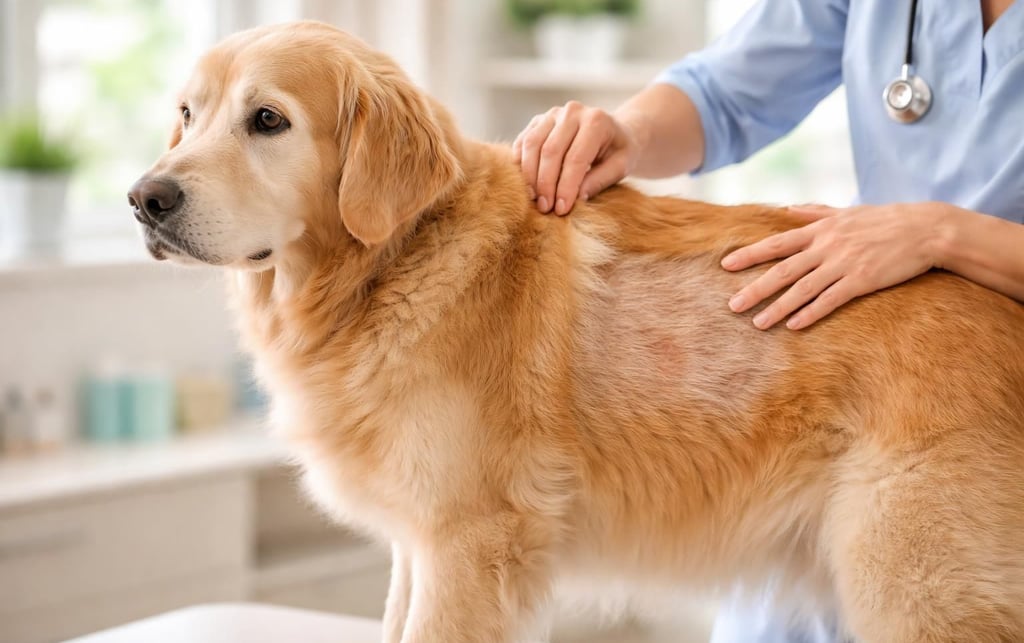
Dog hair loss is a common concern for pet owners. Some shedding is normal, but noticeable bald spots, thinning fur, or excessive hair falling may indicate a health issue. Hair loss can affect one small area or the whole body depending on the cause.
Dogs naturally lose hair during seasonal changes, but when hair loss becomes excessive, owners should pay close attention to skin condition and overall health.
Normal Shedding vs Abnormal Hair Loss
Normal shedding usually happens:
during seasonal weather changes
after grooming
in certain breeds with thick coats
Abnormal hair loss may include:
bald patches
red skin
scratching
flaky skin
Common Causes of Dog Hair Loss
1. Allergies
Allergies are one of the most frequent causes of dog hair loss.
Common triggers:
food ingredients
pollen
dust
grass
shampoos
Dogs often scratch continuously, causing fur damage.
2. Fleas and Parasites
Fleas, mites, and ticks irritate the skin and lead to scratching.
Signs include:
hair loss near tail
redness
tiny black flea dirt
3. Skin Infection
Bacterial or fungal infections damage hair follicles.
Signs include:
unpleasant smell
moist skin
circular bald areas
4. Poor Nutrition
Hair health depends on balanced nutrition.
Lack of:
protein
essential fatty acids
vitamins
may weaken coat quality.
5. Hormonal Problems
Some hormonal disorders cause gradual hair thinning.
Possible causes:
thyroid imbalance
hormone changes
Hair loss often appears symmetrical.
6. Stress or Anxiety
Stress can trigger licking or scratching, leading to local hair loss.
Related article
Areas Where Hair Loss Commonly Appears
Most owners notice hair loss on:
ears
tail
belly
paws
neck
Simple Home Care Tips
Use Gentle Grooming
Brush regularly to remove loose hair.
Choose Mild Shampoo
Avoid harsh products.
Check for Fleas
Inspect skin carefully.
Improve Diet
Healthy nutrition supports coat recovery.
Keep Skin Clean
Clean bedding and living areas regularly.
When to Visit a Veterinarian
Seek veterinary help if:
bald patches increase
skin becomes red
wounds appear
itching continues
dog becomes weak
Helpful Products for Hair Loss Support
Good products for your pet:
Prevention Tips
regular parasite control
balanced feeding
proper grooming
stress reduction
Final Thoughts
Dog hair loss may begin as a simple skin irritation but sometimes reflects deeper health issues. Early observation helps owners manage problems before they become severe.
Contact.
Questions? Reach out anytime, we're here to help.
Phone
help@healthypawscare.online
© 2025. All rights reserved.