
Dog Anxiety Symptoms and Natural Ways to Calm Them | Healthy Paws Care
Dog anxiety symptoms include pacing, barking, shaking, and restlessness. Learn natural ways to calm anxious dogs and improve daily comfort.
DOG ANXIETY SYMPTOMS
3/21/20261 min read
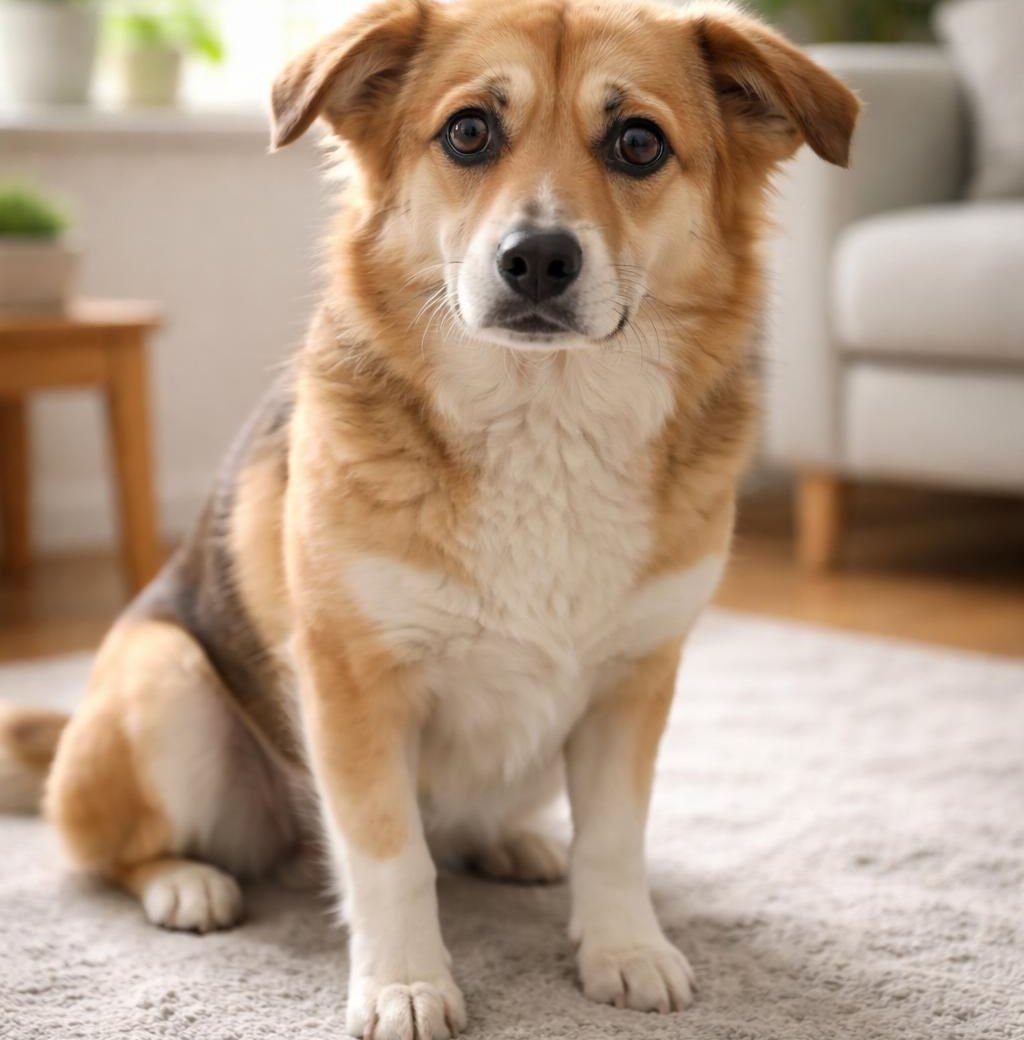
Dog Anxiety Symptoms and Natural Ways to Calm Them
Dog anxiety is a common behavioral issue that affects many pets at different ages. Some dogs become anxious during loud sounds, separation from owners, travel, unfamiliar visitors, or sudden routine changes. Mild anxiety may appear occasionally, while stronger anxiety can disturb daily life and comfort.
Understanding dog anxiety symptoms early helps owners respond gently and prevent stress from becoming worse.
👉 “Explore our Dog Health & Behavior Guide Hub to learn more about dog symptoms, behavior changes, and emergency warning signs.”
Common Dog Anxiety Symptoms
An anxious dog may show both physical and behavioral signs.
Physical Signs
Common physical signs include:
shaking
panting without exercise
drooling
restlessness
trembling
Behavioral Signs
Behavior often changes when anxiety increases:
pacing around the room
repeated barking
whining
hiding
destructive chewing
scratching doors
Some dogs also follow owners constantly when anxious.
Related article
Common Causes of Dog Anxiety
1. Separation Anxiety
Many dogs feel stressed when left alone.
Signs include:
barking after owner leaves
chewing objects
urinating indoors
2. Loud Noises
Thunder, fireworks, or traffic may trigger fear.
3. New Environment
Moving homes or new surroundings can affect confidence.
4. Lack of Mental Stimulation
Bored dogs may develop anxious habits.
5. Past Stressful Experiences
Some dogs react strongly because of previous fear.
Natural Ways to Calm an Anxious Dog
Create a Safe Quiet Space
Provide a calm area where the dog feels secure.
Keep a Predictable Routine
Dogs feel calmer when feeding and walks happen regularly.
Use Gentle Exercise
Daily walks reduce nervous energy.
Offer Interactive Toys
Mental activity lowers boredom and stress.
Stay Calm Yourself
Dogs often respond to owner emotions.
Gentle Touch and Reassurance
Soft contact can help some dogs relax.
Helpful Home Comfort Methods
Soft Music
Calm sound may reduce stress.
Comfortable Bedding
A quiet resting place improves relaxation.
Controlled Social Exposure
Slow exposure helps fearful dogs adjust.
When Anxiety Needs More Attention
Seek veterinary advice if:
anxiety becomes severe
appetite changes
self-injury begins
panic happens often
Helpful Products for Anxiety Support
Useful products for your pet:
calming dog bed
chew toys
slow feeder
comfort blanket
Prevention Tips
regular routine
early socialization
enough exercise
avoid sudden harsh changes
Final Thoughts
Recognizing dog anxiety symptoms early helps owners support emotional health. Many dogs improve with calm routines, gentle attention, and daily comfort.
Contact.
Questions? Reach out anytime, we're here to help.
Phone
help@healthypawscare.online
© 2025. All rights reserved.