
Cat Sneezing: Common Causes and Treatment | Healthy Paws Care
Cat sneezing can be caused by allergies, infections, or irritants. Learn common causes, safe home care, and when to see a veterinarian for your cat.
CAT SNEEZING
3/21/20261 min read
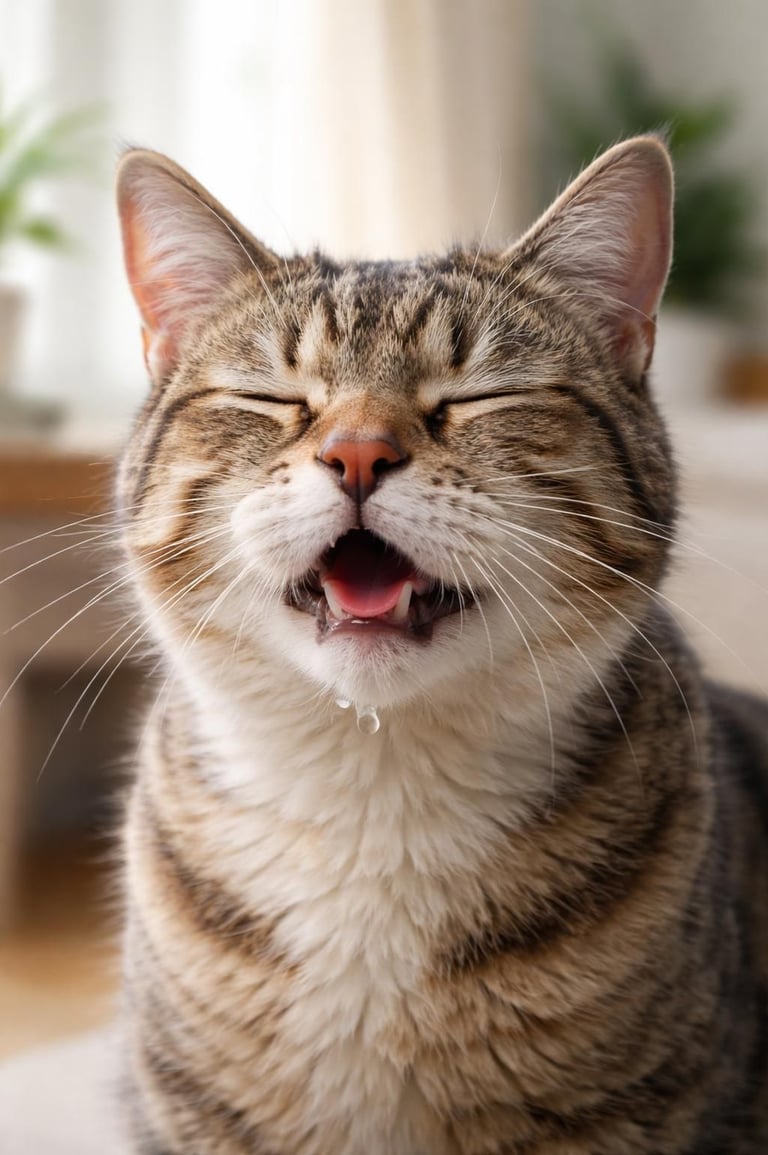
Cat Sneezing: Common Causes and Treatment
Sneezing is a common symptom in cats, but frequent or severe sneezing may indicate an underlying problem. While occasional sneezing is normal, repeated sneezing accompanied by discharge, coughing, or lethargy may require attention. Understanding the causes and proper care can help keep your cat healthy and comfortable.
Common Causes of Cat Sneezing
1. Upper Respiratory Infections (URI)
URIs are caused by viruses or bacteria. They are common in kittens and cats living in multi-cat households.
Signs include:
frequent sneezing
watery or thick nasal discharge
eye discharge
reduced appetite
2. Allergies
Cats can react to environmental allergens like dust, pollen, or smoke.
Signs include:
sneezing fits
itchy nose
watery eyes
mild coughing
3. Irritants
Strong smells or particles can trigger sneezing.
Common irritants:
perfume
cleaning chemicals
smoke
dust
4. Foreign Objects
Small particles like grass seeds or hair may get lodged in the nasal passages.
Signs include:
sudden sneezing
pawing at the nose
nasal discharge
5. Dental Problems
Infection in the teeth can affect sinuses and cause sneezing.
Signs include:
bad breath
swollen gums
sneezing occasionally
6. Chronic Conditions
Some cats develop chronic sneezing due to underlying health issues like asthma or nasal polyps.
Related article
Home Care Tips for Sneezing Cats
Keep the nose clean: Gently wipe any discharge with a soft cloth or cotton pad.
Reduce irritants: Avoid smoke, perfumes, and strong cleaning agents.
Provide a calm environment: Stress can worsen symptoms.
Use a humidifier: Moist air can ease nasal irritation.
Encourage hydration: Fresh water helps thin mucus and supports recovery.
When to See a Veterinarian
Seek veterinary care if:
sneezing persists for more than a week
nasal discharge is thick, yellow, or green
bleeding occurs from the nose
loss of appetite or lethargy appears
sneezing is accompanied by coughing or difficulty breathing
Helpful Products for Sneezing Cats
Products for your pet:
Prevention Tips
regular vaccinations to prevent viral infections
maintain a clean living environment
avoid exposure to smoke or harsh chemicals
monitor cats for early signs of infection
Final Thoughts
Cat sneezing is often minor, but repeated or severe sneezing may indicate a more serious health problem. Observing your cat, reducing irritants, and seeking veterinary care when needed ensures your cat stays healthy and happy.
Contact.
Questions? Reach out anytime, we're here to help.
Phone
help@healthypawscare.online
© 2025. All rights reserved.