
Cat Eye Infection: Signs and Home Care Tips | Healthy Paws Care
Cat eye infection signs include redness, discharge, swelling, and blinking. Learn safe home care tips and when veterinary attention is needed.
CAT EYE INFECTION
3/21/20262 min read
Cat Eye Infection: Signs and Home Care Tips
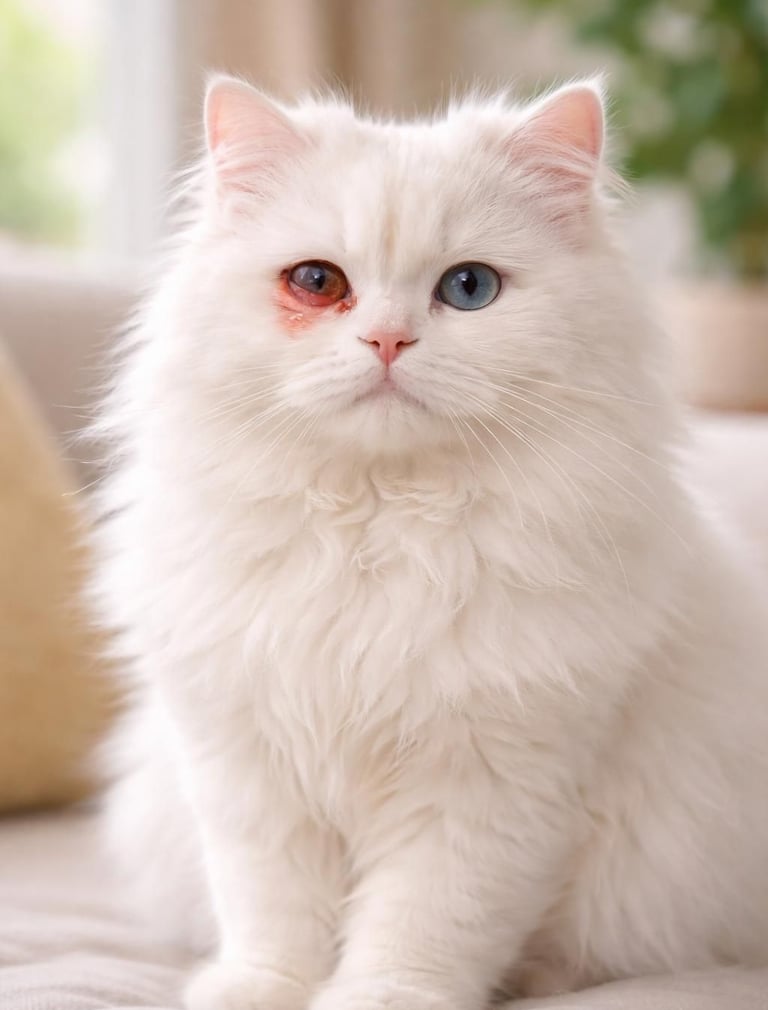
A cat eye infection is a common health problem that many pet owners notice when a cat’s eye becomes red, watery, swollen, or produces discharge. Some eye infections are mild and improve quickly, while others can become serious if ignored. Because cats rely heavily on vision and comfort, early care is very important.
Eye problems may affect one eye or both eyes depending on the cause. Some cats also become sensitive to light, rub their face, or keep one eye partly closed.
Common Signs of Cat Eye Infection
Owners often notice:
redness around the eye
watery discharge
yellow or green discharge
swollen eyelids
blinking more than normal
squinting
rubbing the eye with paws
A healthy eye should look clear and bright. Any change in appearance deserves attention.
Common Causes of Cat Eye Infection
1. Conjunctivitis
Conjunctivitis means inflammation of the eye lining and is one of the most common causes.
Signs include:
pink eye tissue
watery eyes
mild swelling
2. Dust or Irritation
Small particles may irritate the eye.
Common irritants:
dust
smoke
grooming products
3. Minor Injury
A small scratch can cause redness and tearing.
4. Viral Infection
Some infections spread between cats, especially where many cats live together.
Signs may include:
sneezing
watery nose
eye discharge
5. Allergic Reaction
Environmental allergens may irritate sensitive eyes.
Related article
Types of Eye Discharge and What They Mean
Clear Watery Discharge
Often linked with mild irritation or allergy.
Thick Yellow or Green Discharge
More often suggests infection.
Sticky Discharge
May cause eyelids to stick together.
Safe Home Care Tips
Clean the Eye Gently
Use clean cotton with lukewarm water to wipe discharge gently.
Keep the Area Clean
Remove discharge regularly to prevent irritation.
Prevent Scratching
If the cat rubs the eye often, monitor closely.
Keep Environment Calm
Reduce dust and smoke exposure.
What Not to Do
do not use human eye drops
do not apply random medicine
do not force the eye open
When to See a Veterinarian
Seek veterinary help if:
swelling increases
discharge becomes thick
eye remains closed
cat stops eating
signs continue more than one day
Eye problems can worsen quickly and may affect vision if delayed.
Helpful Products for Eye Care
Useful products for your pet:
soft pet wipes
clean cotton pads
protective recovery collar
grooming tissues
Prevention Tips
keep bedding clean
reduce dust
groom face gently
separate sick cats if infection spreads
Final Thoughts
A cat eye infection should never be ignored because the eye is sensitive and easily damaged. Early cleaning and observation help many mild cases, while persistent signs require professional care.
Contact.
Questions? Reach out anytime, we're here to help.
Phone
help@healthypawscare.online
© 2025. All rights reserved.