
Cat Breathing Fast While Resting: Is It Serious? Causes, Signs, and Care Tips | Healthy Paws Care
Cat breathing fast while resting may signal stress, fever, pain, or illness. Learn common causes, warning signs, and when urgent care is needed.
CAT BREATHING FAST WHILE RESTING
3/27/20262 min read
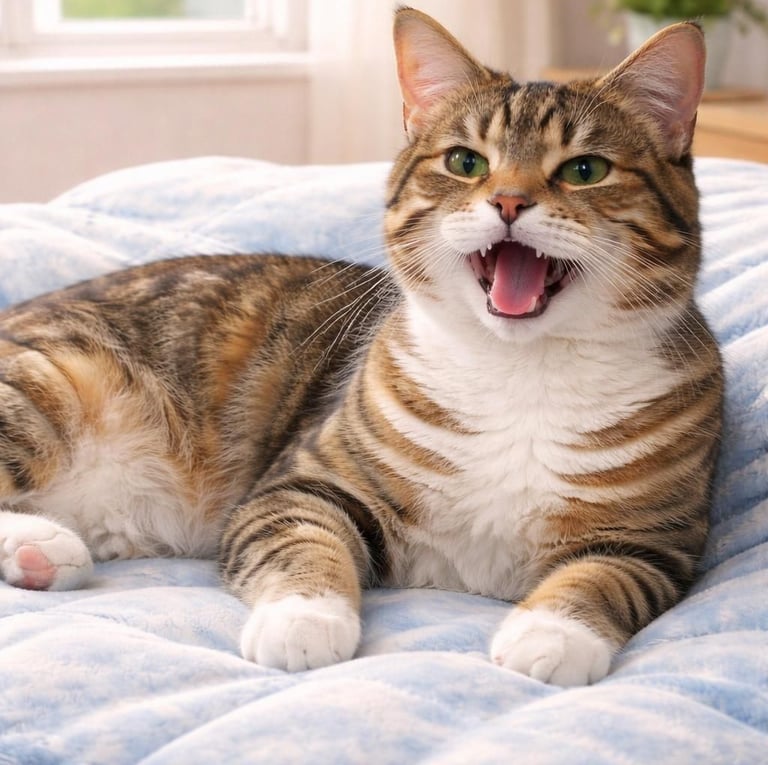
Cat Breathing Fast While Resting: Is It Serious?
A cat normally breathes quietly and smoothly while resting. If you notice fast breathing during sleep or calm sitting, it can worry any owner. In some situations, slightly faster breathing happens after play or stress, but when breathing remains fast during rest, it deserves careful attention.
Healthy cats usually take about 20 to 30 breaths per minute while resting. If breathing becomes clearly faster, deeper, or unusual, owners should observe other body signs immediately.
What Is Considered Fast Breathing in Cats?
A normal resting cat breathes with small chest movements.
Fast breathing may include:
rapid chest movement
visible belly movement
open-mouth breathing
shallow quick breaths
If the chest rises very quickly for several minutes, the breathing rate may be abnormal.
Common Causes of Fast Breathing While Resting
1. Stress or Fear
Cats may breathe faster after fear, noise, or sudden disturbance.
Possible triggers:
visitors
loud sounds
unfamiliar surroundings
2. Heat or Warm Environment
A hot room can increase breathing speed.
3. Fever
Body temperature rises during infection and can increase breathing.
Signs include:
warm ears
low activity
sleeping more than usual
4. Pain or Discomfort
Cats sometimes breathe faster when hiding pain.
5. Respiratory Infection
Infections affecting airways often change breathing pattern.
Signs may include:
sneezing
nasal discharge
reduced appetite
6. Heart Problems
Some internal conditions may affect oxygen flow and breathing.
Warning Signs That Make It Serious
Seek urgent attention if fast breathing happens with:
open mouth breathing
blue gums
weakness
refusal to eat
hiding constantly
unusual sounds while breathing
How to Count Breathing Rate at Home
Watch chest movement when the cat is fully resting.
Count:
one rise and fall = one breath
count for 30 seconds
multiply by two
Simple Home Care Tips
Keep the Cat Calm
Reduce movement and noise.
Check Room Temperature
Avoid overheating.
Observe for Other Symptoms
Look for coughing, discharge, or weakness.
Keep Water Available
Hydration supports comfort.
When to See a Veterinarian
See a veterinarian immediately if:
breathing stays fast for long periods
breathing looks difficult
appetite drops
weakness appears
Helpful Products for Comfort
Useful products for your pet:
cooling mat
soft resting bed
quiet cat carrier
water fountain
Prevention Tips
regular health checks
clean air environment
stress reduction
monitor behavior daily
Final Thoughts
When asking Cat Breathing Fast While Resting, the answer depends on whether other warning signs are present. Mild tempo
rary changes may pass, but persistent fast breathing should never be ignored.