Best Cat Food for Indoor Cats: Complete Nutrition Guide for Healthy Indoor Cats | Healthy Paws Care
Discover the best cat food for indoor cats, key nutrients, feeding tips, and how to choose healthy food for long-term indoor cat wellness.
BEST CAT FOOD FOR INDOOR CATS
4/4/20262 min read
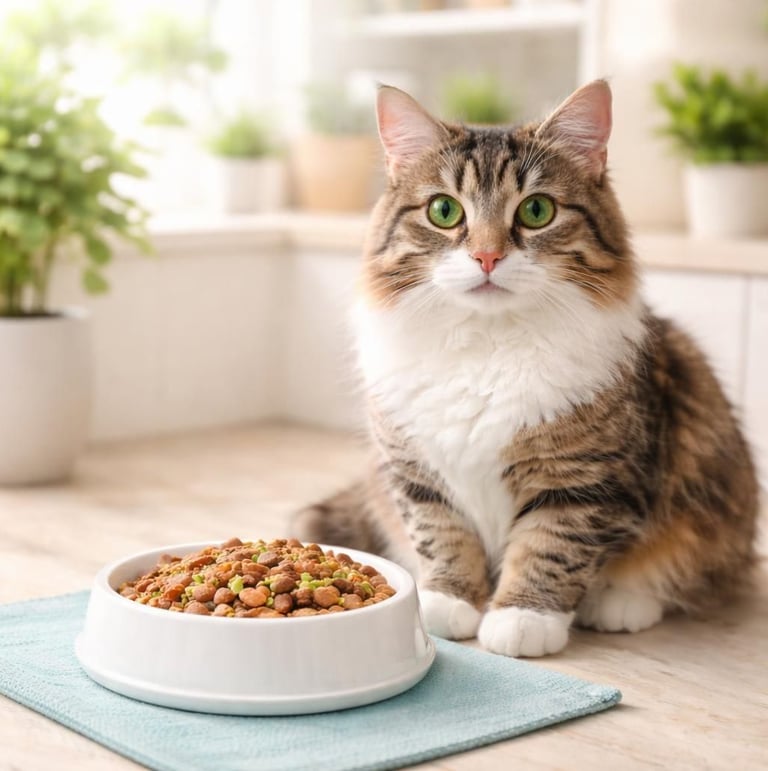
Best Cat Food for Indoor Cats
Choosing the right food for an indoor domestic cat is one of the most important decisions for long-term health. Indoor cats live differently from outdoor cats. They usually move less, burn fewer calories, and often spend more time resting indoors. Because of this, their food needs careful balance to prevent weight gain while still providing enough nutrients.
Many owners assume all cat food works the same, but indoor cats often benefit from food made specifically for their lifestyle.
Why Indoor Cats Need Different Nutrition
Indoor cats usually have:
lower daily activity
fewer calories burned
more grooming-related hair intake
Because of this, food for indoor cats often focuses on:
balanced calories
digestive support
hairball control
Important Nutrients Indoor Cats Need
1. High-Quality Protein
Cats naturally require strong protein sources because they are carnivores.
Protein supports:
muscles
energy
body maintenance
2. Controlled Fat Levels
Too much fat can increase weight quickly in less active cats.
3. Fiber for Digestion
Fiber helps support digestion and may reduce hairball problems.
4. Fresh Water Support
Food works best when paired with constant water access.
Dry Food vs Wet Food for Indoor Cats
Many owners ask which option is better.
Dry Food Benefits
Dry food is convenient and easy to store.
Benefits:
easy portion control
supports chewing habit
longer shelf life
Wet Food Benefits
Wet food contains more moisture.
Benefits:
supports hydration
softer texture
useful for cats that drink less water
Many owners combine both carefully.
What Makes Good Indoor Cat Food
Look for food that includes:
clear protein source first
balanced ingredients
indoor formula support
Avoid food that contains too many unnecessary fillers.
Common Feeding Mistakes Owners Make
Overfeeding
Indoor cats often need smaller portions than owners expect.
Too Many Treats
Extra treats add hidden calories.
Sudden Food Changes
Abrupt changes may upset digestion.
How Much Should Indoor Cats Eat?
Feeding depends on:
age
size
activity
body condition
Small portion control is often safer than free feeding.
Signs Your Cat’s Food Is Working Well
A healthy food plan usually supports:
stable body weight
shiny coat
normal litter box habits
regular energy
Signs Food May Need Adjustment
Watch for:
weight gain
dull coat
vomiting
constipation
Indoor Cats and Hairball Support
Because indoor cats groom often, hairballs are common.
Fiber-rich food may help reduce swallowed hair buildup.
Feeding Senior Indoor Cats
Older indoor cats may need:
easier digestion
softer texture
careful calorie control
Feeding Young Indoor Cats
Young cats often need:
more protein
growth support
regular meal timing
Helpful Products for Your cat 😺
Useful feeding products:
portion control bowl
water fountain
slow feeder
food storage container
How to Switch Food Safely
Always change food slowly over several days.
A gradual change helps digestion adjust better.
Is Grain-Free Always Better?
Not every indoor cat requires grain-free food. Balanced nutrition matters more than label trends.
Can Indoor Cats Eat Homemade Food?
Homemade food must remain balanced because cats need specific nutrients that are easy to miss.
Best Feeding Routine for Indoor Cats
A stable routine helps:
appetite control
digestion
healthy body weight
Many cats do well with two measured meals daily.
Final Thoughts
Choosing the Best Cat Food for Indoor Cats means balancing nutrition, calories, digestion, and daily lifestyle. Indoor cats benefit most when food matches their lower activity and regular home routine.
Frequently Asked Questions (FAQ) 🐾
How often should indoor cats eat?
Most indoor cats do well with two measured meals daily.
Is wet food better than dry food?
Both can work well when balanced correctly.
Why do indoor cats gain weight easily?
Indoor cats usually burn fewer calories because activity is lower.
Should indoor cats always have water available?
Yes, fresh water should always be accessible.
Can indoor cats eat outdoor cat food?
Food made for indoor cats usually better matches their energy needs.
How do I know if my cat food is suitable?
Healthy coat, normal weight, and regular digestion often suggest the food suits your cat.